Universities across the country are navigating a challenging landscape, particularly concerning graduate student enrollment. Virginia Tech, for instance, is anticipating a notable 20% decline in incoming Ph.D. students this fall, building on an already observed decrease in master's degree seekers. This isn't an isolated incident; the university saw its total graduate student numbers fall by about 5% in Fall 2025 compared to the previous year, with a nearly 9.5% drop in enrolled graduate and professional students from Fall 2024 to Fall 2025.
Several factors contribute to this national trend, which experts are calling an "enrollment cliff." Declining birth rates and reduced immigration play a role, but there's also intensified competition for students, a decrease in federal research support and a significant drop in international graduate student enrollment. Virginia Tech alone expects a 20% to 25% decline in international graduate students, partly due to student loan funding caps, visa delays stemming from past immigration policies and a perception among international students that other countries offer more welcoming opportunities. Furthermore, there's a noticeable decrease in interest for specific programs, like computer science and computer engineering master's degrees.
While undergraduate enrollment nationally has seen a slight increase, graduate programs, especially master's, international and certain tech fields, are feeling the pressure. Even for undergraduate admissions, universities like Virginia Tech are seeing a higher "melt rate," where students initially commit but then choose another institution, signaling increased market competition. This necessitates universities to extend more admission offers and adjust recruitment strategies to maintain enrollment targets.
In response to these shifts, Virginia Tech is proactively adjusting its operations. They're offering voluntary severance packages, restructuring departments and re-evaluating program offerings to ensure relevance. Financially, the university has already revised its 2026-27 operating budget to account for a projected $5.4 million reduction in tuition and fees due to lower graduate enrollment. Given that tuition and fees constitute about 67% of the university's educational budget, with graduate students contributing around 6% of that revenue, these adjustments are crucial. Other institutions, like George Mason University, are experiencing similar graduate student declines, highlighting a broader challenge in higher education.
I think what stands out here is how quickly these demographic and geopolitical shifts are impacting university towns. The ripple effect on local economies, particularly the rental market for student housing, will be significant as universities adapt their strategies. That said, it’s fair to say this current trend indicates some form of a re-balancing of the insane growth we’ve experienced locally in the past decade or so, at least in Blacksburg.
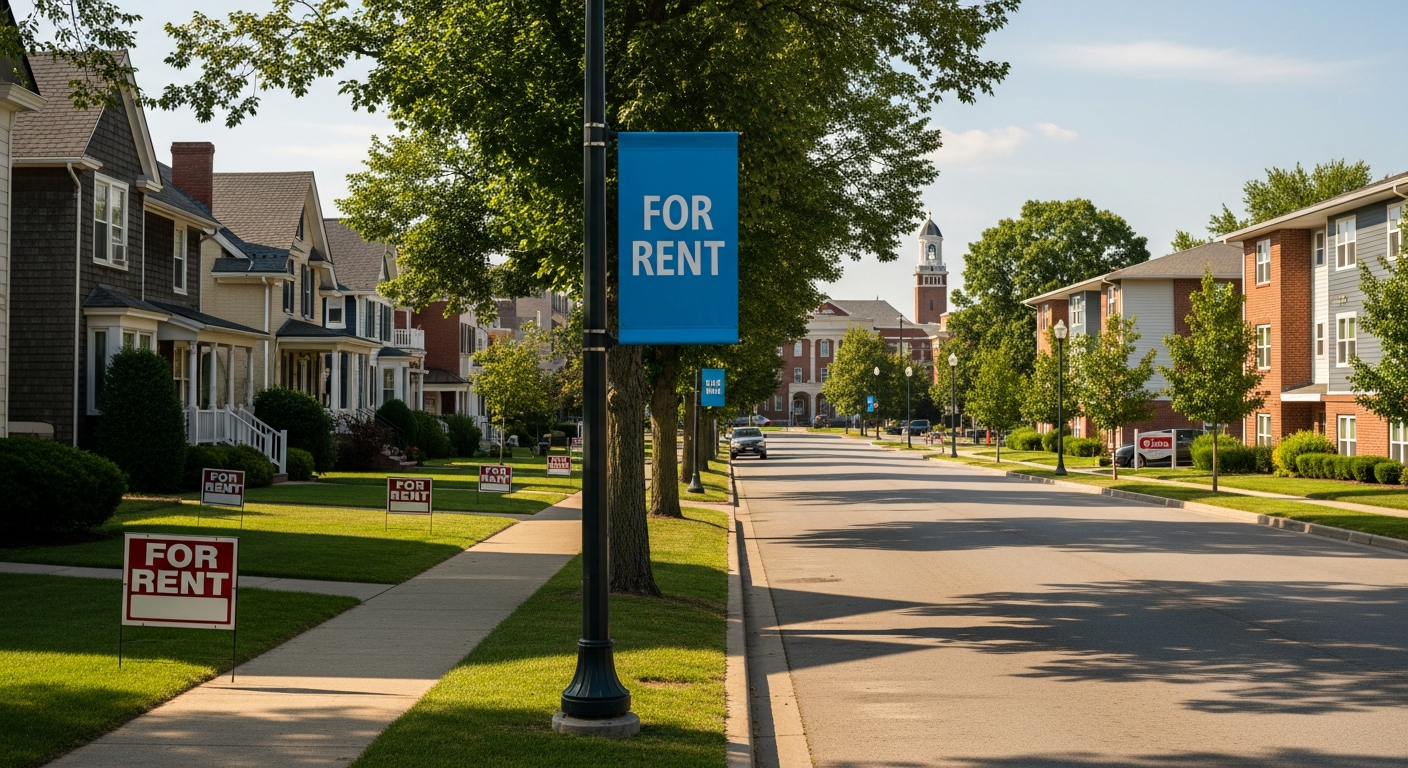
Enrollment Shifts Impact Housing
3 min read·Jul 30, 2026Neet help with buying / selling process?
Serviing the New River Valley Area

Virginia is at the heart of a national debate: should data centers pay more for the electricity infrastructure they demand? Residents are seeing their bills climb and are pointing fingers.

Local communities are grappling with the balance between public safety and individual privacy. Recent decisions in Christiansburg and Giles County highlight growing concerns over surveillance technology.

Two years after Hurricane Helene, the New River Valley is finally receiving significant federal relief funds. This money is crucial for long-term recovery and addressing ongoing community needs.
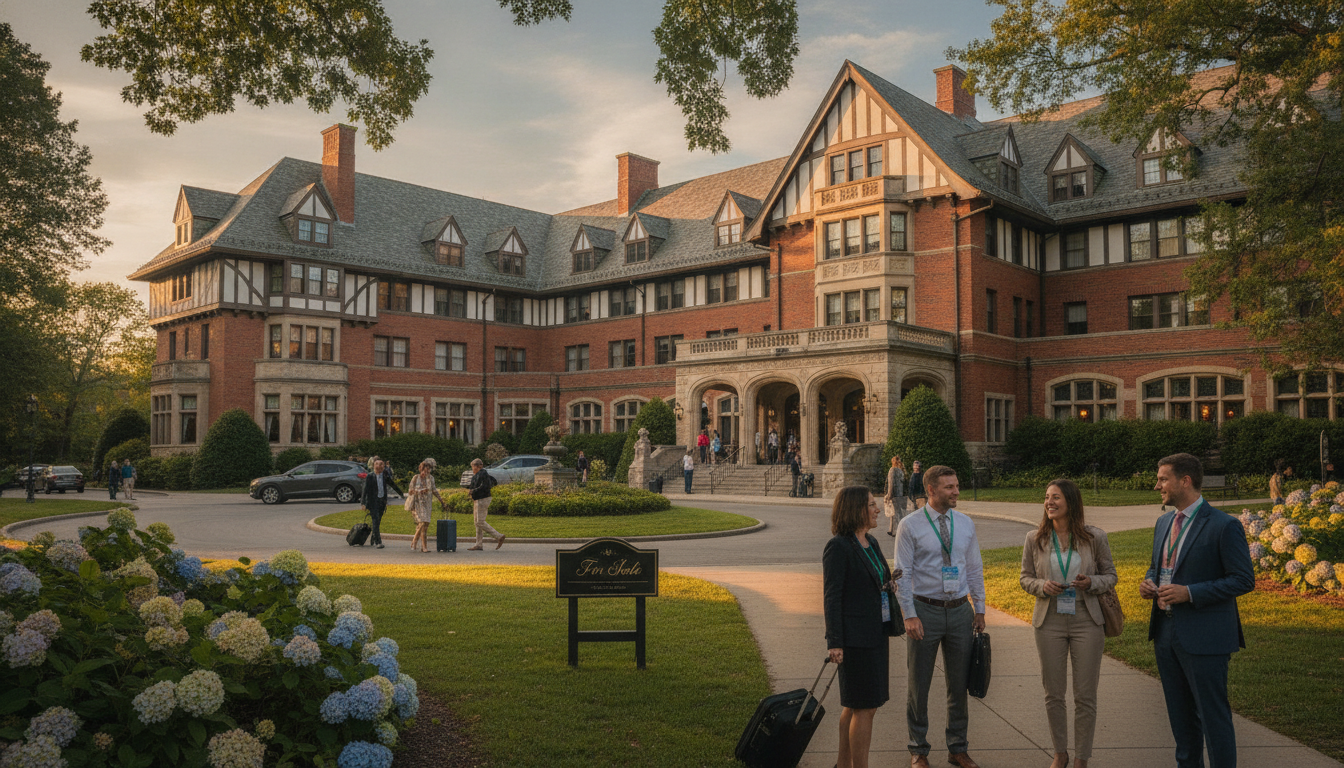
The Hotel Roanoke and Conference Center are on the market, with Virginia Tech exploring options for the historic property. Everyone's wondering about its future, especially with casino rumors swirling.

This summer, rising mortgage rates and home prices are making buyers take a closer look before jumping into the market. Despite these headwinds, the housing market shows surprising stability and some interesting regional trends.
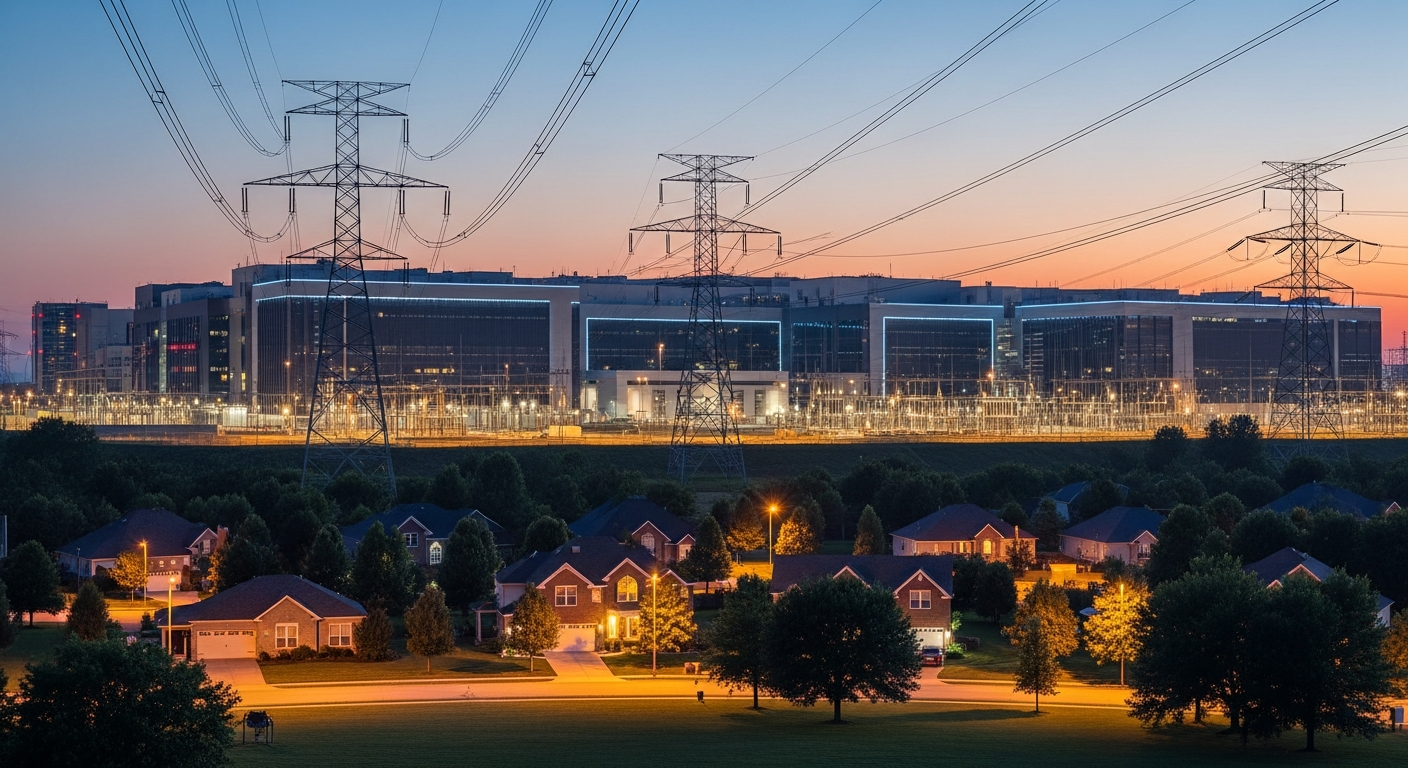
Virginia is making big moves to address the massive energy demands of data centers. A new order requires these facilities to fund their own dedicated electric infrastructure, aiming to protect residents from rising utility costs and grid strain.
