In a significant move, both Christiansburg and Giles County have decided against implementing Flock Safety cameras, a decision driven by increasing public opposition and concerns over privacy. Christiansburg's Town Council voted 4-3 to reject a proposal to purchase 10 cameras, which would have cost $25,000 annually. This decision came after a public hearing where residents voiced strong objections, emphasizing that such surveillance technology could infringe on civil liberties and lead to a "surveillance state." Despite arguments from law enforcement about the cameras' effectiveness in solving crimes, the council ultimately prioritized community sentiment.
Similarly, Giles County's Board of Supervisors unanimously voted to remove three Flock cameras that had been installed in the county for a year. The decision followed a recommendation from the county administrator, who cited a lack of data demonstrating the cameras' impact on crime reduction and a desire to respect community concerns. The cameras, which capture license plate information and vehicle characteristics, are designed to alert law enforcement to stolen vehicles or those associated with active investigations. While proponents often highlight their utility in tracking down suspects, opponents frequently raise questions about data retention, potential misuse and the broad collection of information on law-abiding citizens.
The debate in these localities mirrors a broader national conversation about the role of technology in policing and the delicate balance between enhancing public safety and protecting individual privacy. These local decisions reflect a growing skepticism among residents and local officials regarding the benefits of pervasive surveillance systems, particularly when weighed against potential privacy infringements.
I think what stands out here is the power of community voice in shaping local policy. It's a clear example of how residents' concerns about privacy can directly influence decisions on public safety technology, even when law enforcement advocates for its use. Having experienced the process myself (via another driver in my family), I can say I’m not in favor of the process. Not necessarily the ticket itself, but the very impersonal way in which it is handled, especially the ability to easily define who the driver was, ask questions, dispute the claim, obtain further details etc. Sure all of that is possible, but not without a significant investment in time and procedure. The whole thing is automated and digitally focused when obtaining and paying a ticket, however everything else requires printed paper and snail mail.

Privacy vs. Security: Local Decisions
2 min read·Sep 14, 2026Neet help with buying / selling process?
Serviing the New River Valley Area
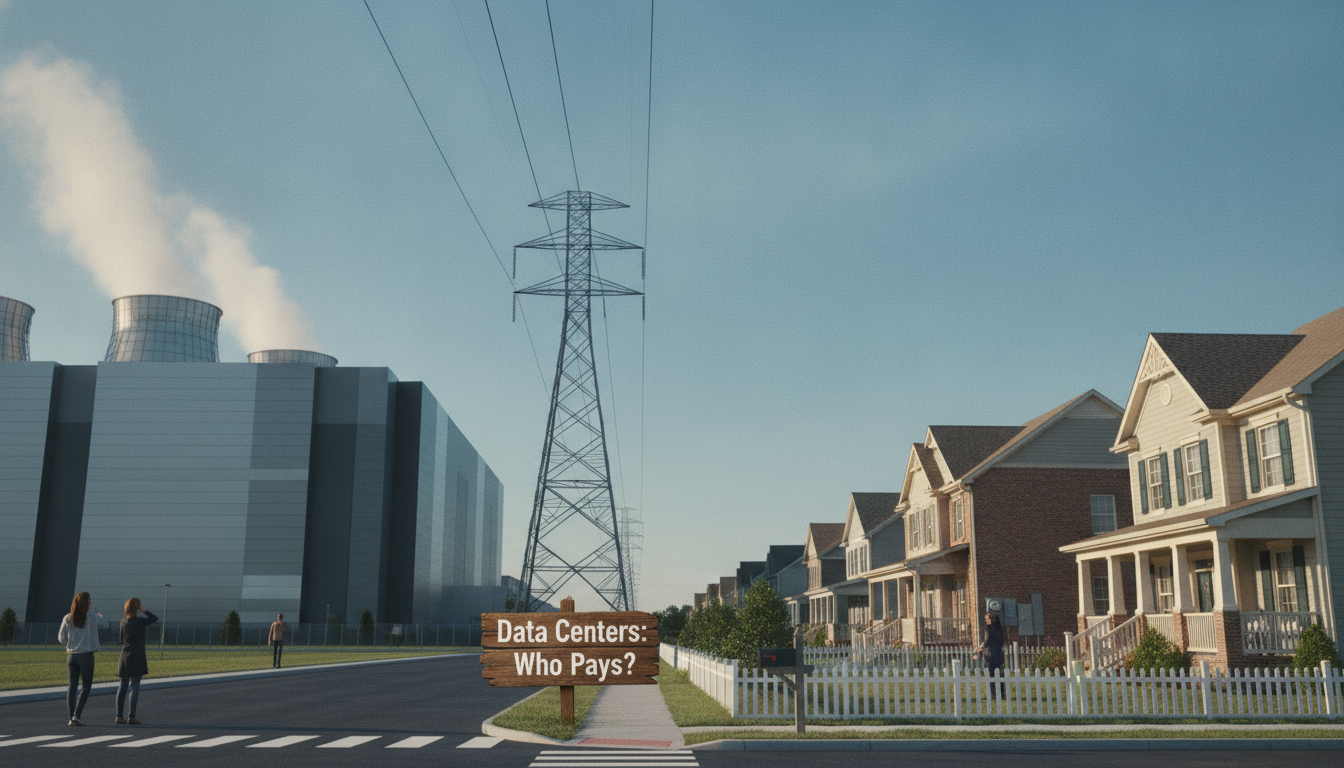
Virginia is at the heart of a national debate: should data centers pay more for the electricity infrastructure they demand? Residents are seeing their bills climb and are pointing fingers.

Two years after Hurricane Helene, the New River Valley is finally receiving significant federal relief funds. This money is crucial for long-term recovery and addressing ongoing community needs.
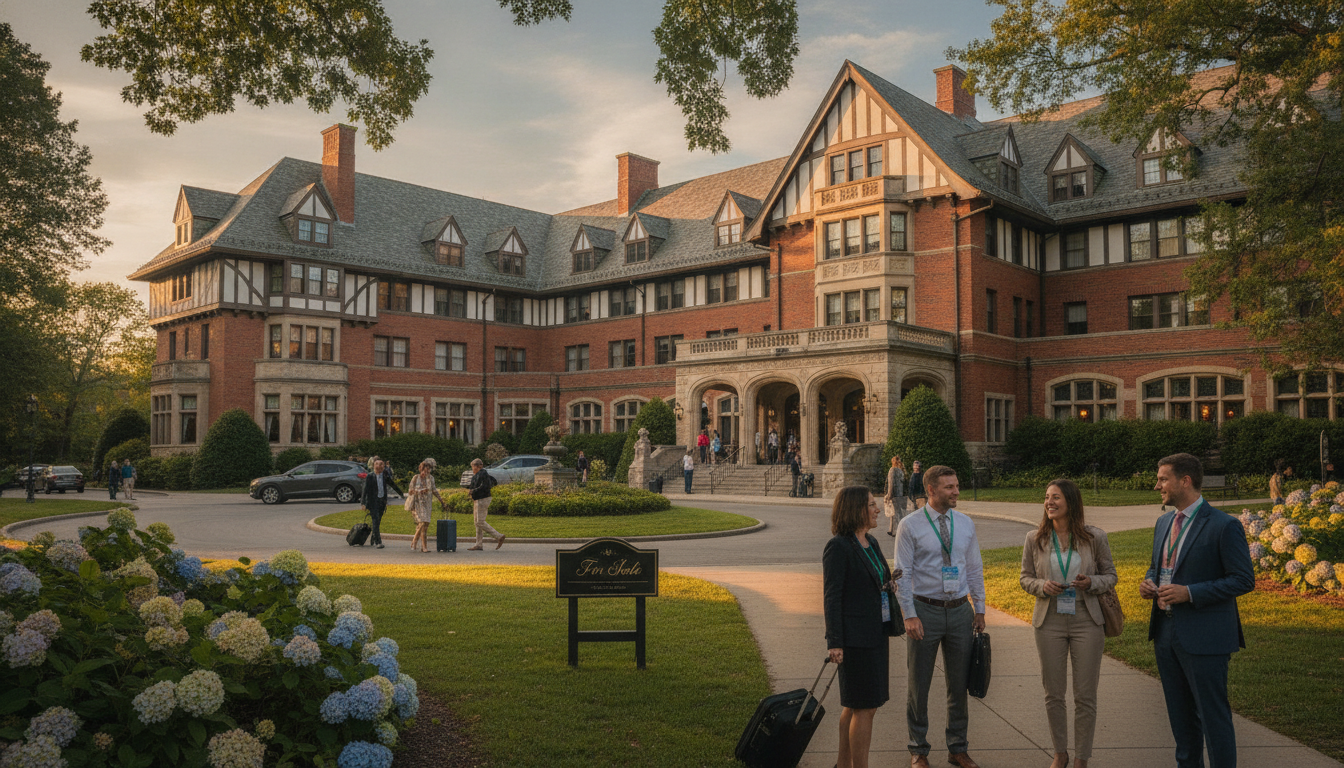
The Hotel Roanoke and Conference Center are on the market, with Virginia Tech exploring options for the historic property. Everyone's wondering about its future, especially with casino rumors swirling.

This summer, rising mortgage rates and home prices are making buyers take a closer look before jumping into the market. Despite these headwinds, the housing market shows surprising stability and some interesting regional trends.
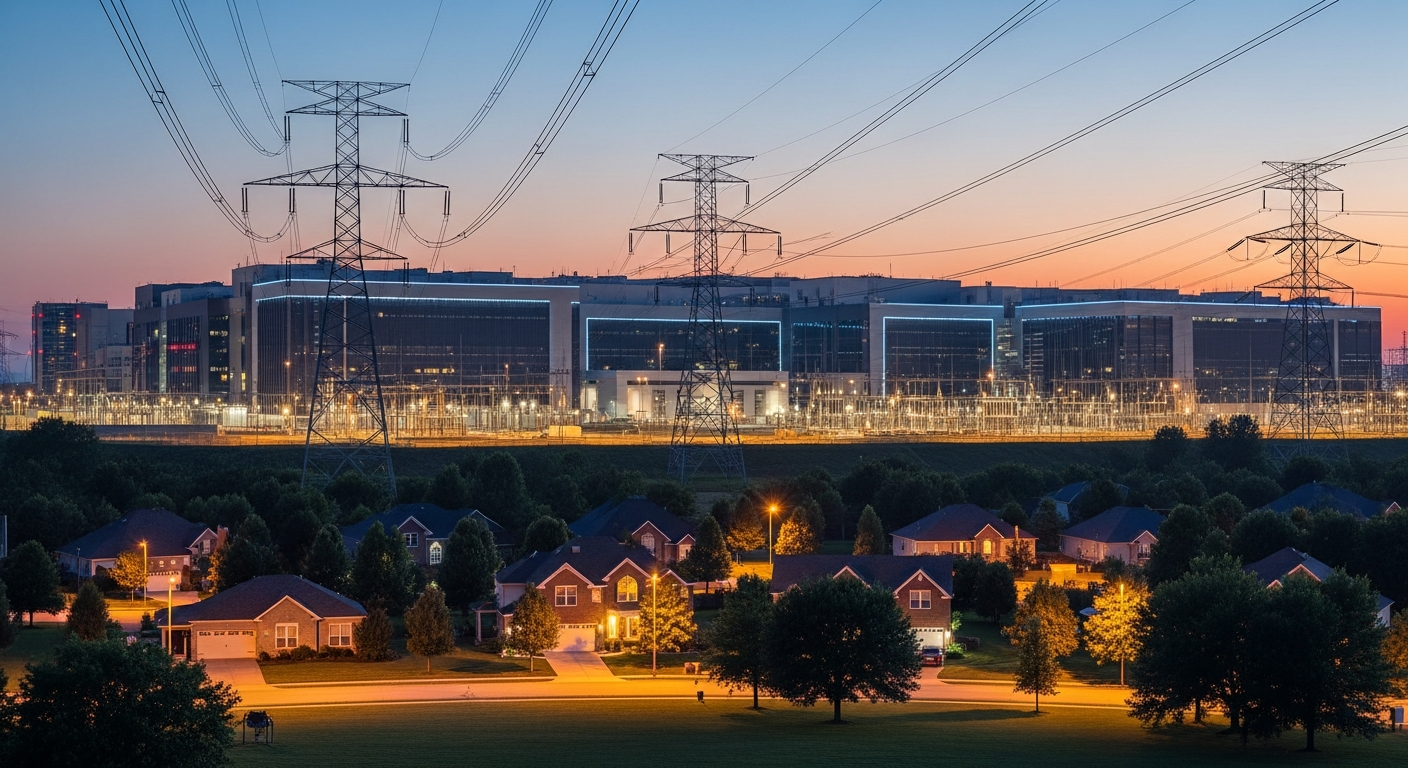
Virginia is making big moves to address the massive energy demands of data centers. A new order requires these facilities to fund their own dedicated electric infrastructure, aiming to protect residents from rising utility costs and grid strain.

New federal housing laws are on the horizon, bringing significant changes for Virginia's real estate professionals. Staying informed and prepared is crucial, and thankfully, a wealth of resources is available to help you understand and adapt.
