Northern Virginia homeowners are increasingly frustrated by rising electricity bills, attributing the surge to the rapid proliferation of data centers in the region. This sentiment was evident at a recent community meeting in Nokesville, where residents voiced concerns to Dominion Energy about proposed power grid upgrades. John Steinbach, a long time resident, shared how he's drastically cut back on energy use, even with a geothermal heat pump, yet his bills remain high. Elena Schlossberg, founder of the Coalition to Protect Prince William County, described her community as "sacrificial lambs" for what she calls the wealthiest industry globally.
Virginia has become a global hub for data centers, partly due to tax incentives and the demand for power is skyrocketing, fueled by the growth of artificial intelligence. While residential electricity use has remained stable, data center power demand is surging. State regulators are now pushing for data centers to bear a larger share of grid infrastructure costs, a move that could have national implications. The White House has also initiated a pledge, signed by over 200 utilities and data center developers, calling for Big Tech to cover the full cost of new infrastructure. Lawmakers are even working to codify this into law.
Across the country, states and localities are grappling with how to manage data center development. Some, like New York and Seattle, have implemented moratoriums or higher electricity rates, citing concerns beyond just power costs, including air pollution, noise and water reliability. Others, such as Louisiana, Kentucky, and Texas, are actively courting them, with Texas projected to surpass Virginia as the global leader by 2030. The commercial real estate industry itself is divided, with some concerned about grid reliability and rising rates. Virginia recently introduced a statewide energy consumption tax on data centers, aiming to raise $600 million annually, though it still maintains a sales and use tax exemption for equipment, which cost the state an estimated $1.9 billion in forgone revenue in fiscal 2025, while creating 1,610 jobs with an average salary of nearly $120,000.
Despite resident and regulatory pressure, tech giants and data center coalitions argue there's no direct evidence linking data centers to the rise in residential electricity costs. They point to other factors like general electrification, population growth, and the power needs of essential services like hospitals and schools. It's a complex issue with many stakeholders, each with their own perspective on who should ultimately pay for the infrastructure supporting our increasingly digital world. I think what stands out here is the tension between economic development and local community impact, and how difficult it is to fairly distribute the costs of progress.
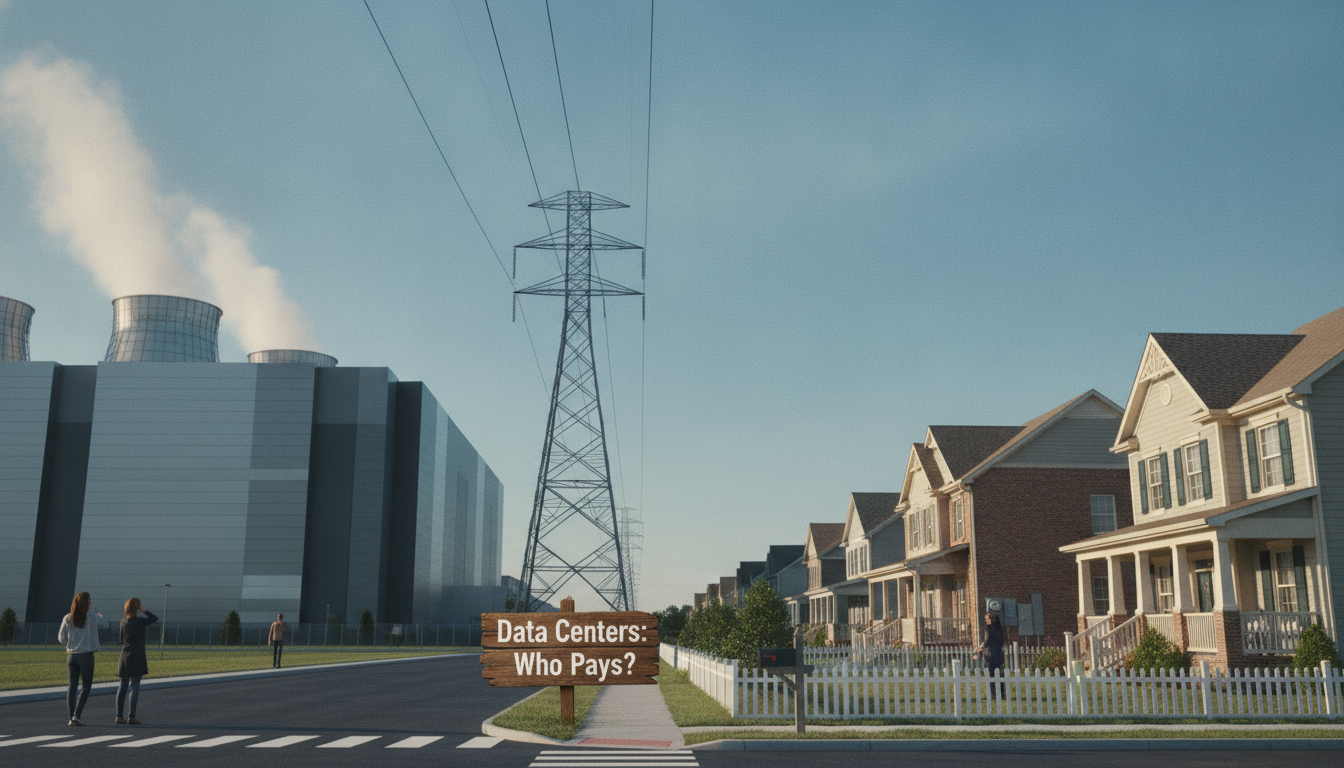
Data Centers: Who Pays?
3 min read·Sep 17, 2026Neet help with buying / selling process?
Serviing the New River Valley Area

Local communities are grappling with the balance between public safety and individual privacy. Recent decisions in Christiansburg and Giles County highlight growing concerns over surveillance technology.

Two years after Hurricane Helene, the New River Valley is finally receiving significant federal relief funds. This money is crucial for long-term recovery and addressing ongoing community needs.

The Hotel Roanoke and Conference Center are on the market, with Virginia Tech exploring options for the historic property. Everyone's wondering about its future, especially with casino rumors swirling.

This summer, rising mortgage rates and home prices are making buyers take a closer look before jumping into the market. Despite these headwinds, the housing market shows surprising stability and some interesting regional trends.
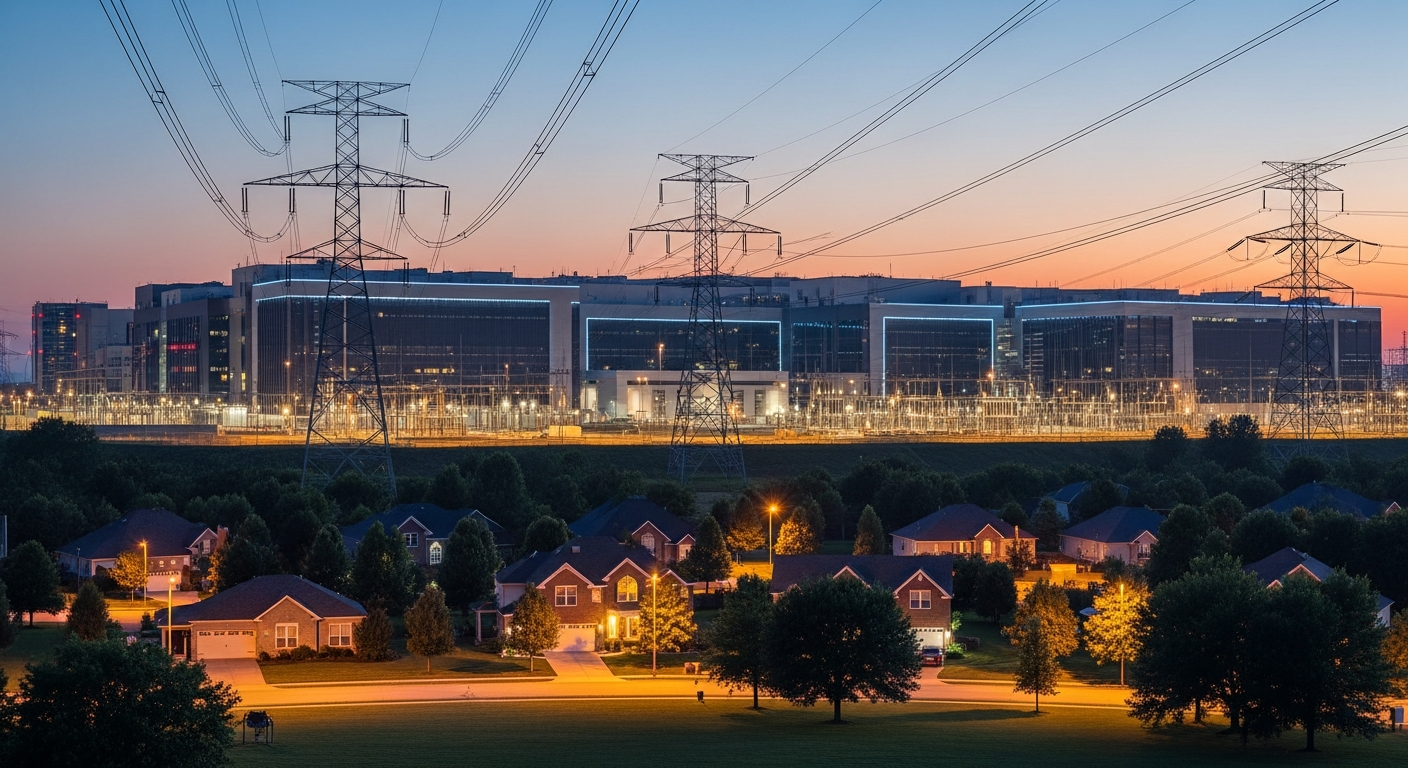
Virginia is making big moves to address the massive energy demands of data centers. A new order requires these facilities to fund their own dedicated electric infrastructure, aiming to protect residents from rising utility costs and grid strain.

New federal housing laws are on the horizon, bringing significant changes for Virginia's real estate professionals. Staying informed and prepared is crucial, and thankfully, a wealth of resources is available to help you understand and adapt.
