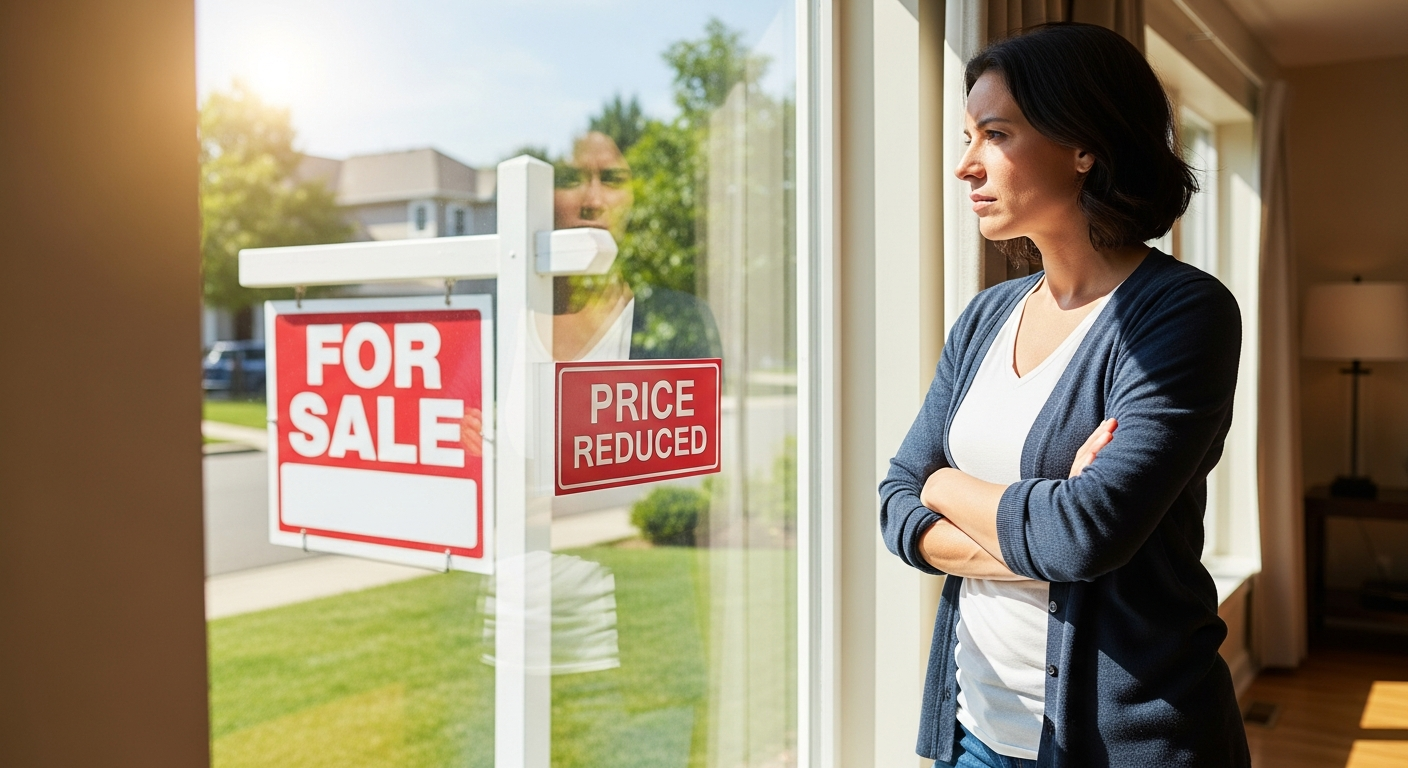
Pricing a home correctly from the start is always the goal, but market conditions and buyer interest often necessitate adjustments. If your home has been on the market for two to four weeks without any offers, even in a competitive seller's market, it's a strong signal that the price might be too high. Similarly, if you're seeing very low showing traffic, perhaps fewer than five showings a week, it suggests that potential buyers aren't even interested enough to take a look, which often points back to the asking price.
Negative feedback from buyers is another clear indicator. If agents are consistently reporting that buyers love the house but feel it's overpriced, that's direct evidence you need to consider a reduction. Beyond individual buyer reactions, broader market shifts can also play a role. Rising interest rates, an increase in available homes or a general economic slowdown can quickly turn a hot market into a cooler one, requiring sellers to adjust their expectations. Keeping an eye on comparable sales in your area is also vital; if similar homes are selling for less than your asking price, your home will struggle to compete. Finally, if you have an urgent need to sell, perhaps due to a job relocation or financial reasons, a strategic price drop can accelerate the process.
When it comes to actually lowering the price, a small, strategic drop of one to two percent can sometimes be enough to test the waters and attract new attention without significantly devaluing the property. However, if your initial price was significantly off or the market has shifted dramatically, a larger drop of five percent or more might be necessary to truly re-energize interest and signal a serious adjustment to buyers. It's important to avoid dropping the price too frequently, as this can make buyers suspicious, but also don't drop it too little, as a minor adjustment might not be enough to make a real impact. Before making a price change, always ensure your marketing is top notch, your home is well staged and any obvious repairs have been addressed. The ultimate goal is to find that sweet spot where your home's value perfectly aligns with buyer demand.
I think what stands out here is how crucial it is to be responsive to the market, not just stubborn about an initial price. It's a tough decision for any homeowner, but recognizing these signs early can make all the difference in a successful sale. Needless to say, initial correct pricing is huge and its ok to to maybe be slightly optimistic on an initial price, but if you don’t get the results you want quickly, there is a reason so don’t sit around hoping, take actionable steps.
Smart Home Pricing: When to Cut
3 min read·Jul 16, 2026Neet help with buying / selling process?
Serviing the New River Valley Area
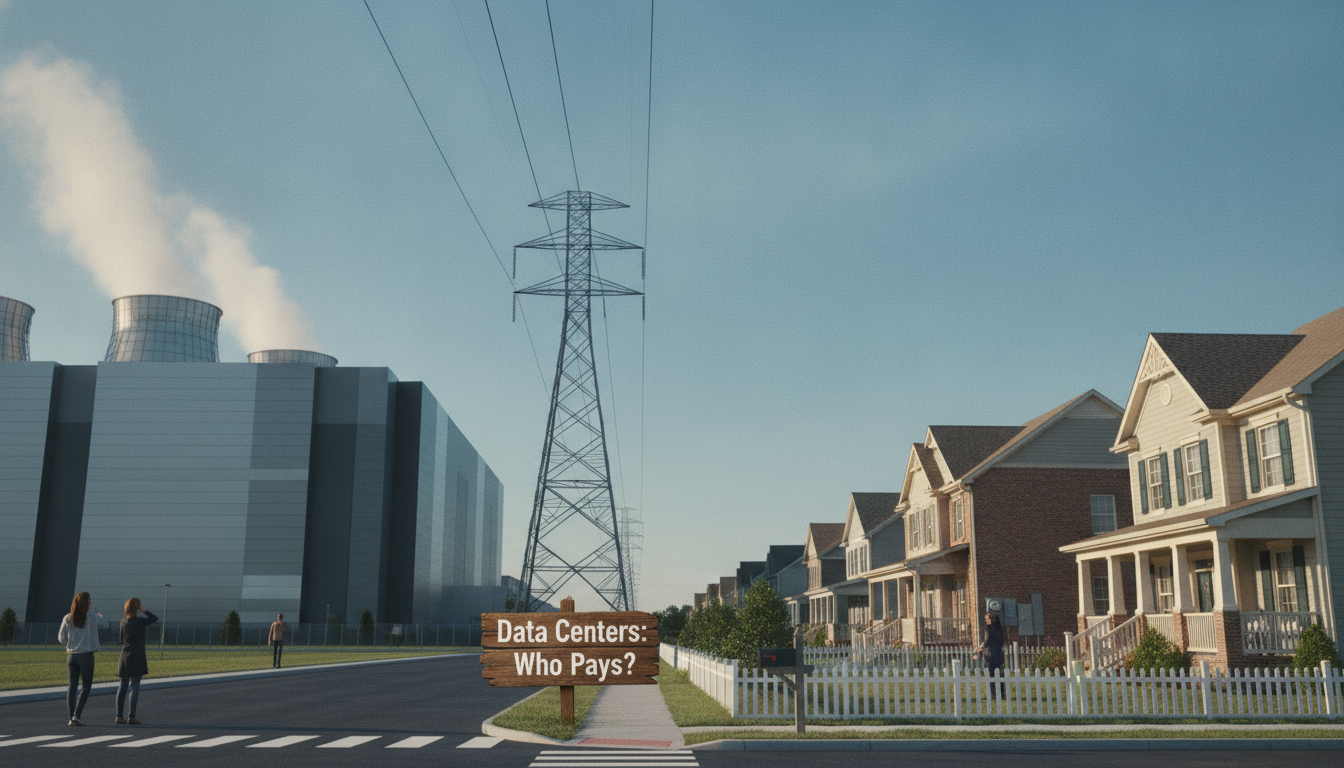
Virginia is at the heart of a national debate: should data centers pay more for the electricity infrastructure they demand? Residents are seeing their bills climb and are pointing fingers.

Local communities are grappling with the balance between public safety and individual privacy. Recent decisions in Christiansburg and Giles County highlight growing concerns over surveillance technology.

Two years after Hurricane Helene, the New River Valley is finally receiving significant federal relief funds. This money is crucial for long-term recovery and addressing ongoing community needs.

The Hotel Roanoke and Conference Center are on the market, with Virginia Tech exploring options for the historic property. Everyone's wondering about its future, especially with casino rumors swirling.

This summer, rising mortgage rates and home prices are making buyers take a closer look before jumping into the market. Despite these headwinds, the housing market shows surprising stability and some interesting regional trends.
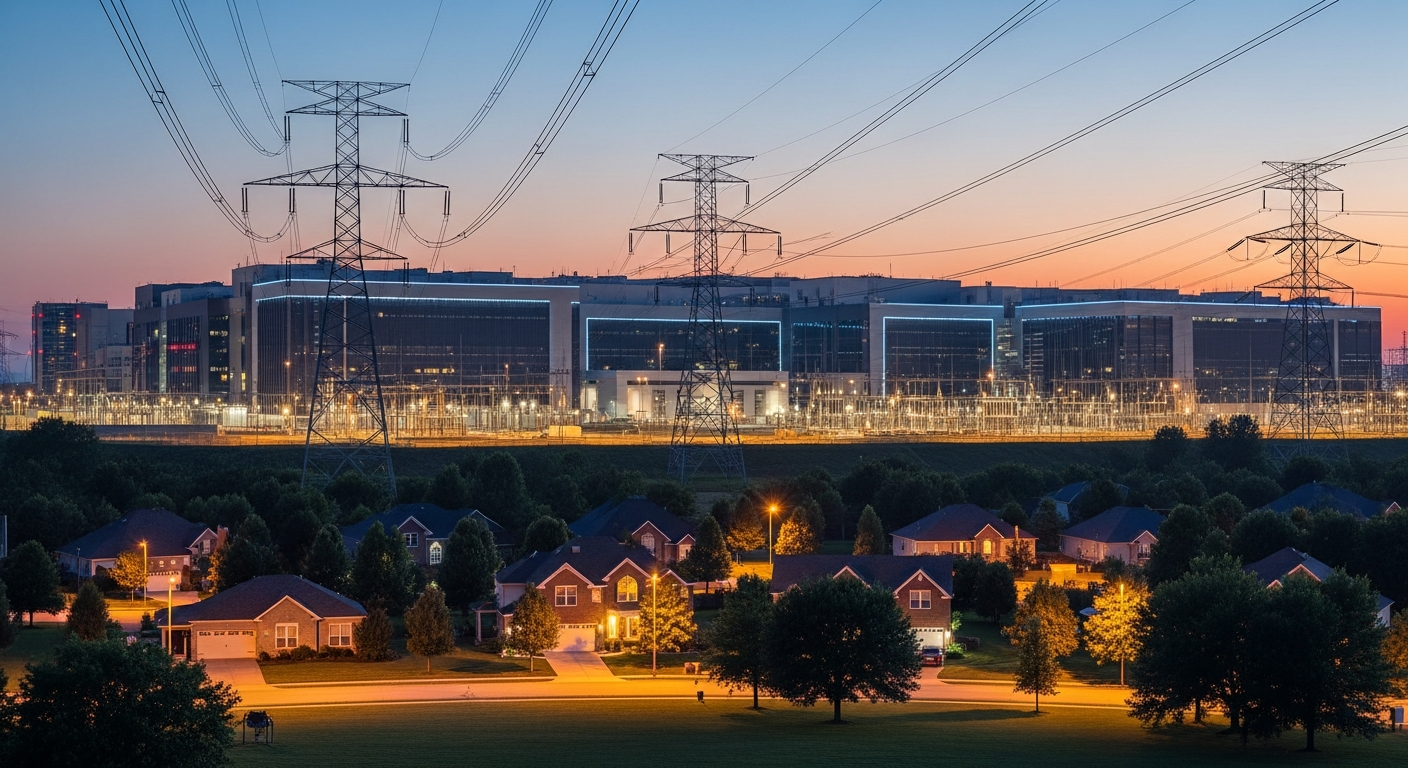
Virginia is making big moves to address the massive energy demands of data centers. A new order requires these facilities to fund their own dedicated electric infrastructure, aiming to protect residents from rising utility costs and grid strain.
