It's a common assumption that buying a brand new home will always be more expensive than purchasing an existing one, but that's not always the case. There are several compelling reasons why a new construction home could potentially offer a lower overall cost. For starters, new home builders often provide attractive incentives to buyers, such as covering closing costs, offering significant upgrades or even temporary interest rate buydowns. These can substantially reduce the upfront financial burden, making the initial investment more manageable than an older home which might not come with such perks.
Beyond the initial purchase, new homes typically boast lower maintenance and repair costs for years to come. With brand-new HVAC systems, plumbing, electrical wiring, appliances and roofs, homeowners can expect fewer unexpected expenses for a considerable period. In contrast, older homes often require immediate or upcoming investments in repairs, renovations, or system replacements, which can quickly add up. Furthermore, modern building codes and construction techniques mean new homes are significantly more energy efficient. This translates directly into lower monthly utility bills, offering long-term savings that can make a new home more economical over time.
Consider also the cost of customization. While an existing home might appear cheaper on paper, personalizing it to your taste often involves costly and time-consuming renovations. With a new build, you frequently have the opportunity to choose finishes, fixtures and upgrades upfront, incorporating your preferences into the final price without the added hassle and expense of post purchase remodeling. New developments are also often located in areas where land was more affordable, which can sometimes lead to a lower base price for the home itself. In certain market conditions, existing homes might be priced higher due to competition or emotional value, while builders are keen to sell new inventory, leading to more competitive pricing for new builds. Finally, the appraisal process for new homes, being up to current standards, can often be smoother than for older properties that might require significant repairs, potentially impacting financing.
In summary, I’d say 'new equals more expensive' assumption isn't always true. It really highlights the importance of looking beyond the sticker price and considering the full financial picture, both immediate and long-term, when comparing housing options.
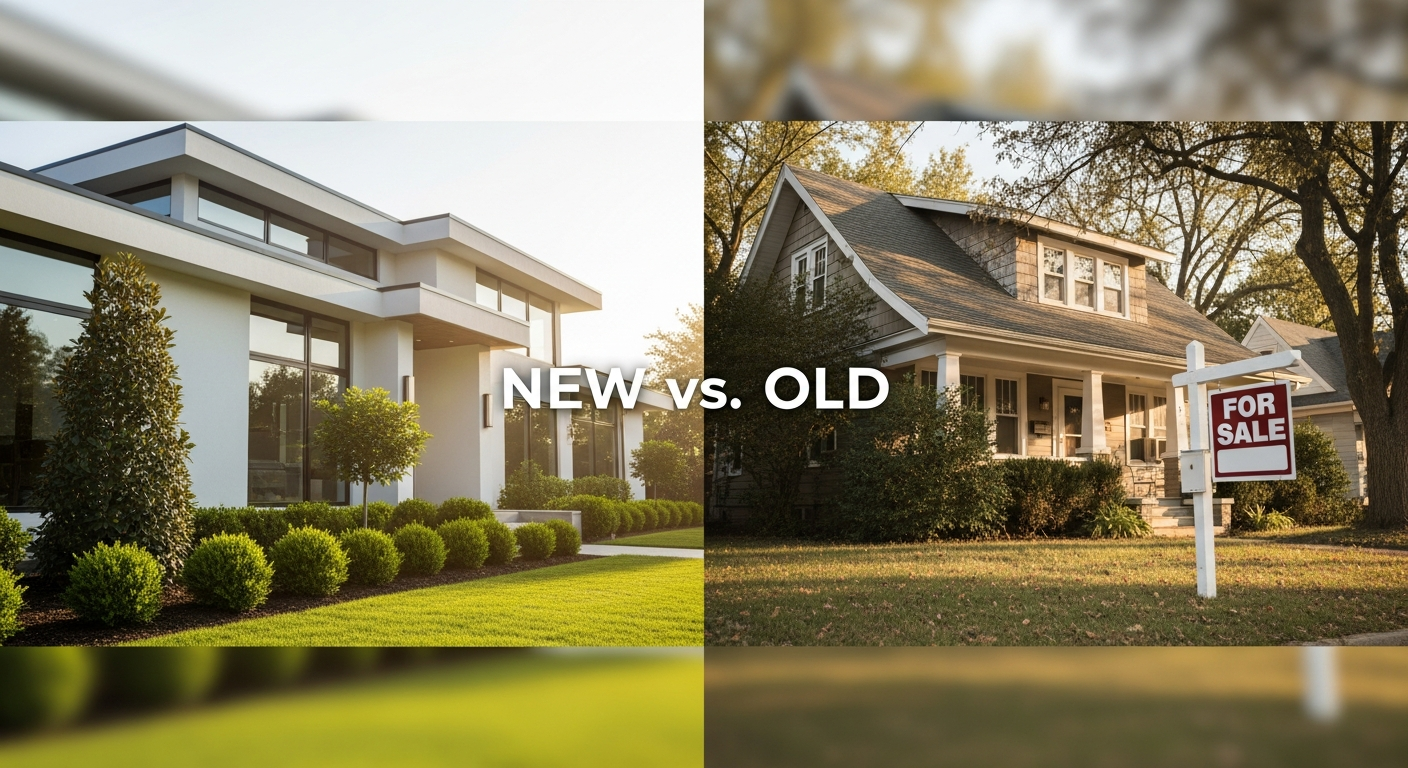
New Home vs. Old: Surprising Costs
2 min read·Aug 24, 2026Neet help with buying / selling process?
Serviing the New River Valley Area
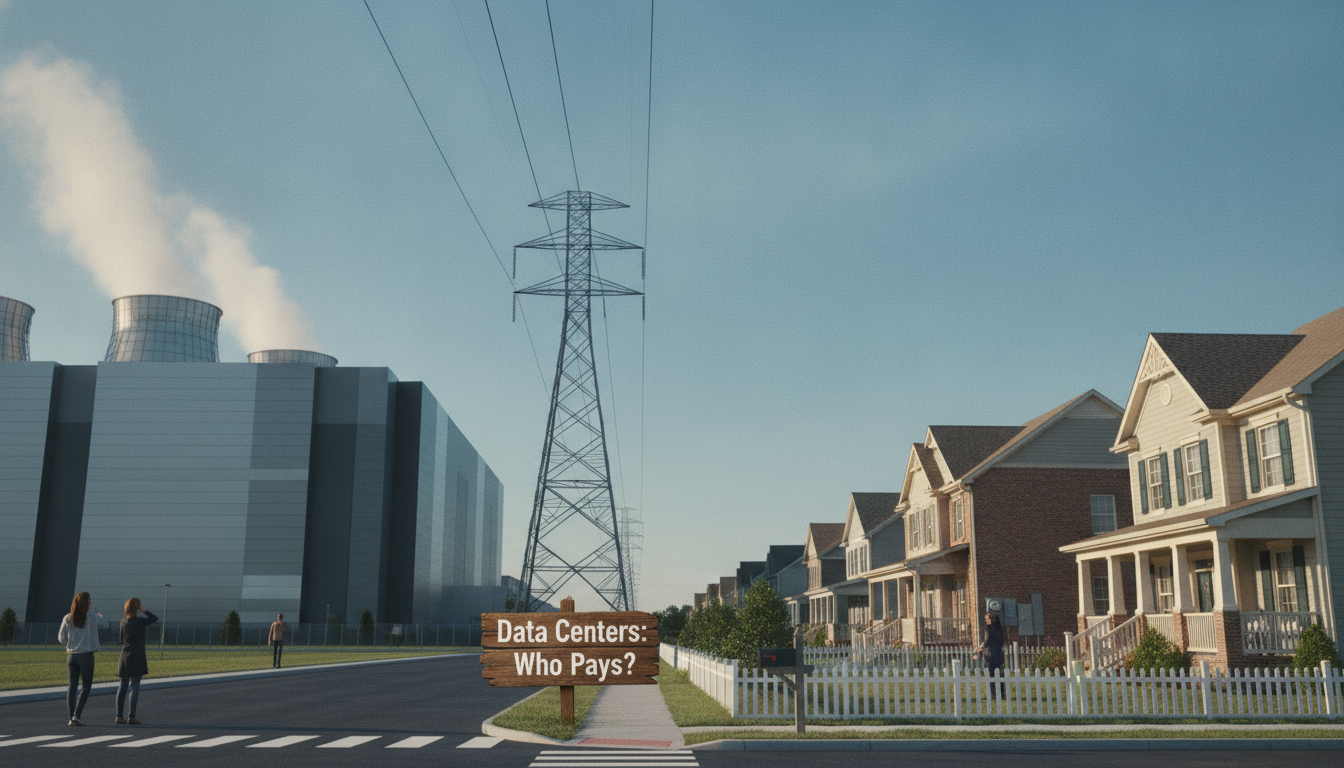
Virginia is at the heart of a national debate: should data centers pay more for the electricity infrastructure they demand? Residents are seeing their bills climb and are pointing fingers.
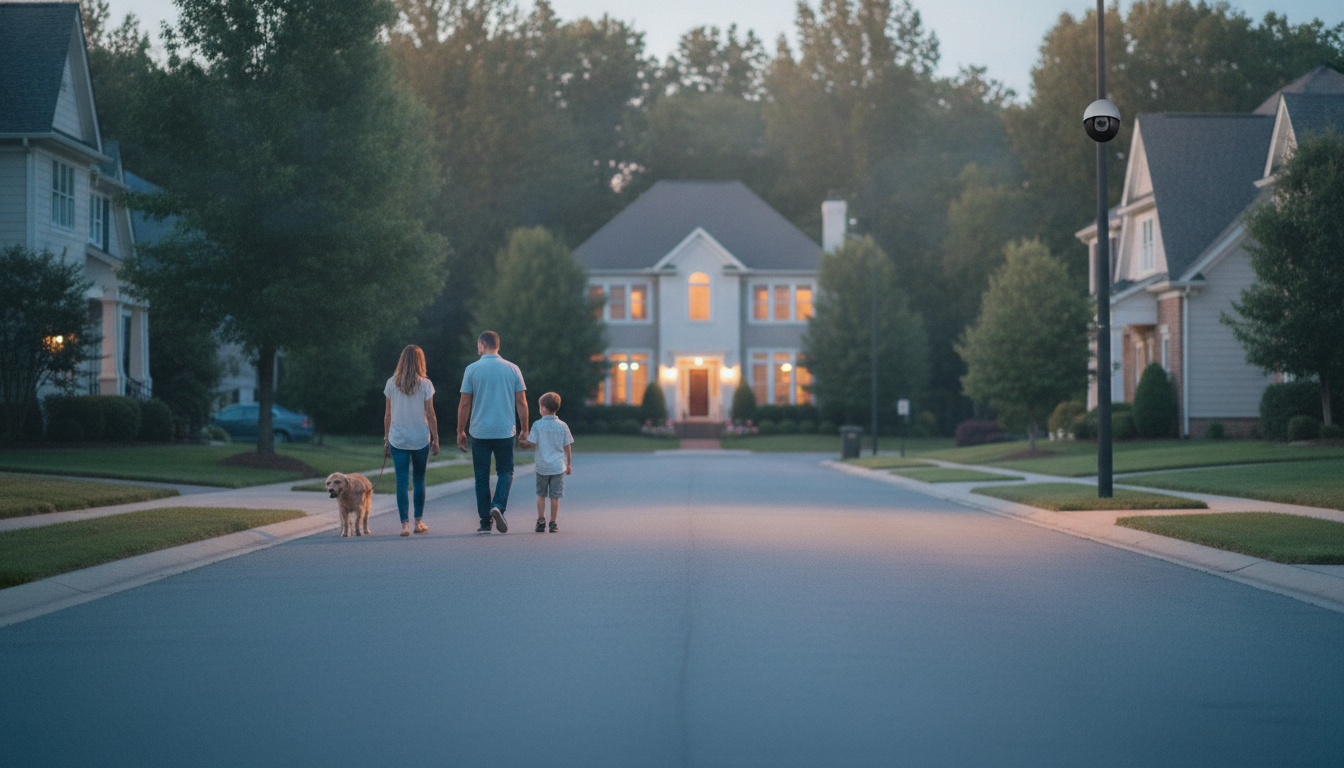
Local communities are grappling with the balance between public safety and individual privacy. Recent decisions in Christiansburg and Giles County highlight growing concerns over surveillance technology.
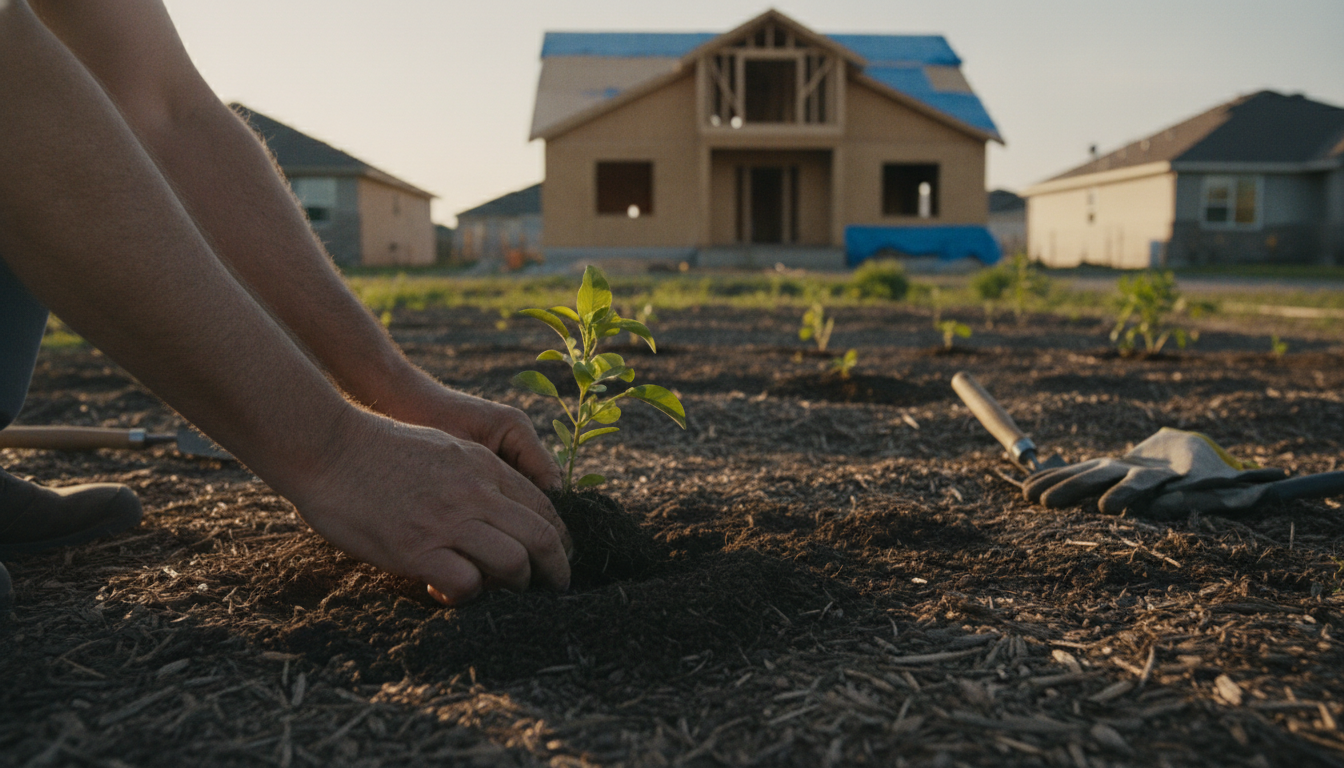
Two years after Hurricane Helene, the New River Valley is finally receiving significant federal relief funds. This money is crucial for long-term recovery and addressing ongoing community needs.
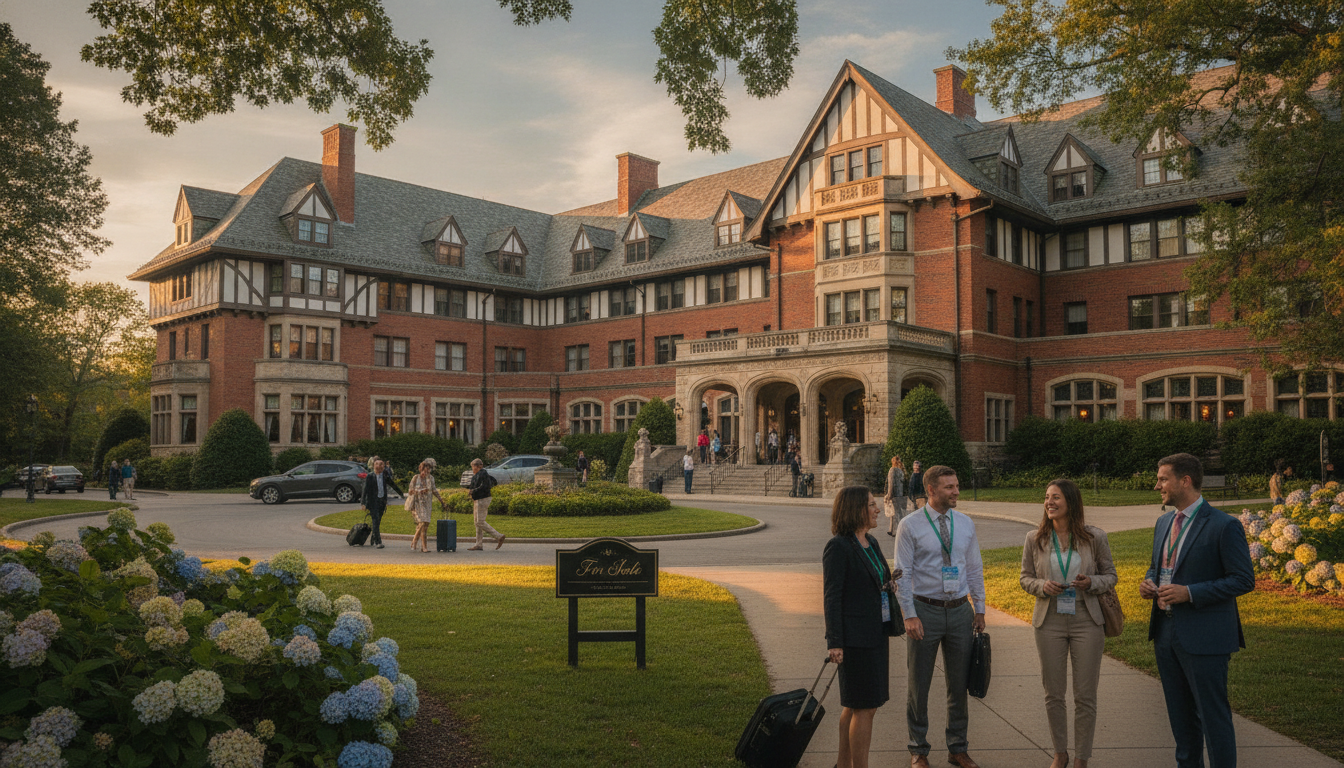
The Hotel Roanoke and Conference Center are on the market, with Virginia Tech exploring options for the historic property. Everyone's wondering about its future, especially with casino rumors swirling.
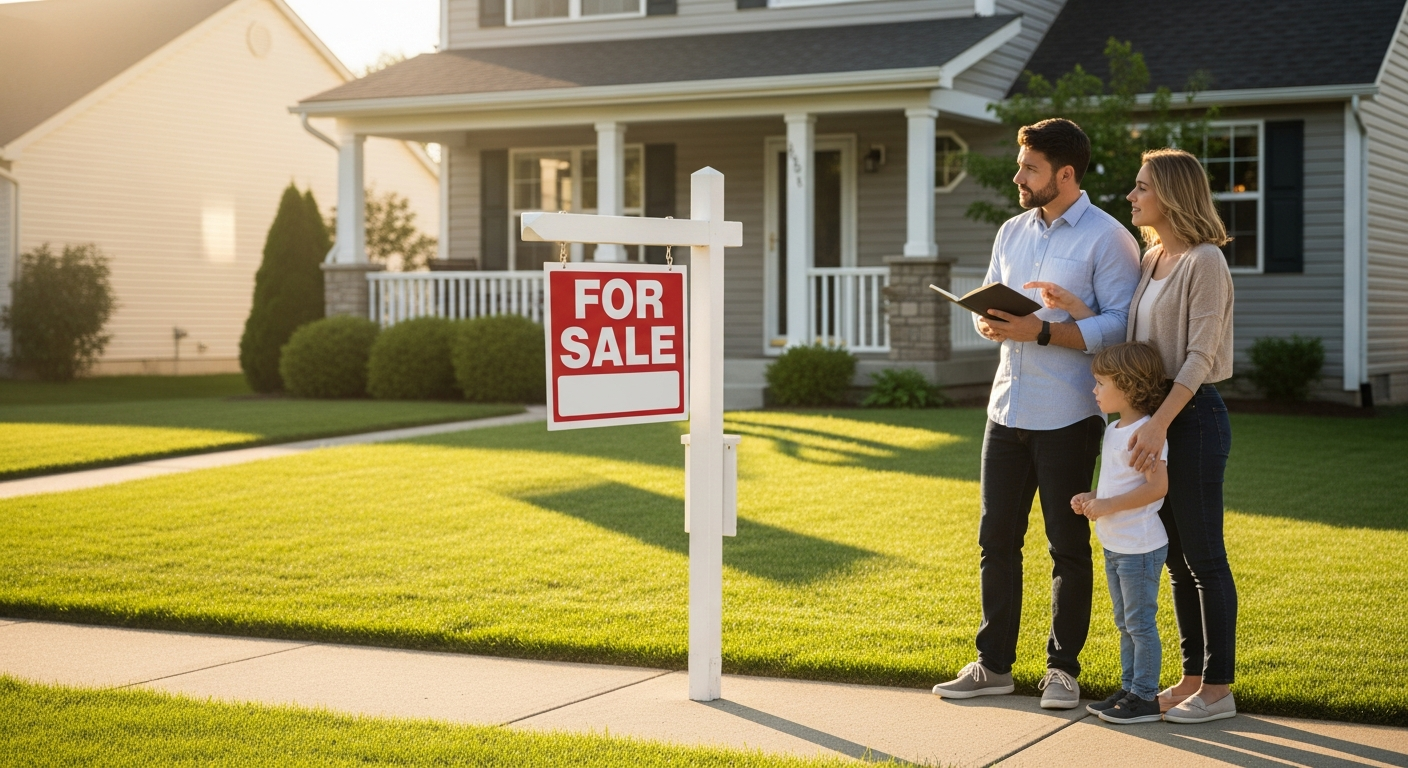
This summer, rising mortgage rates and home prices are making buyers take a closer look before jumping into the market. Despite these headwinds, the housing market shows surprising stability and some interesting regional trends.
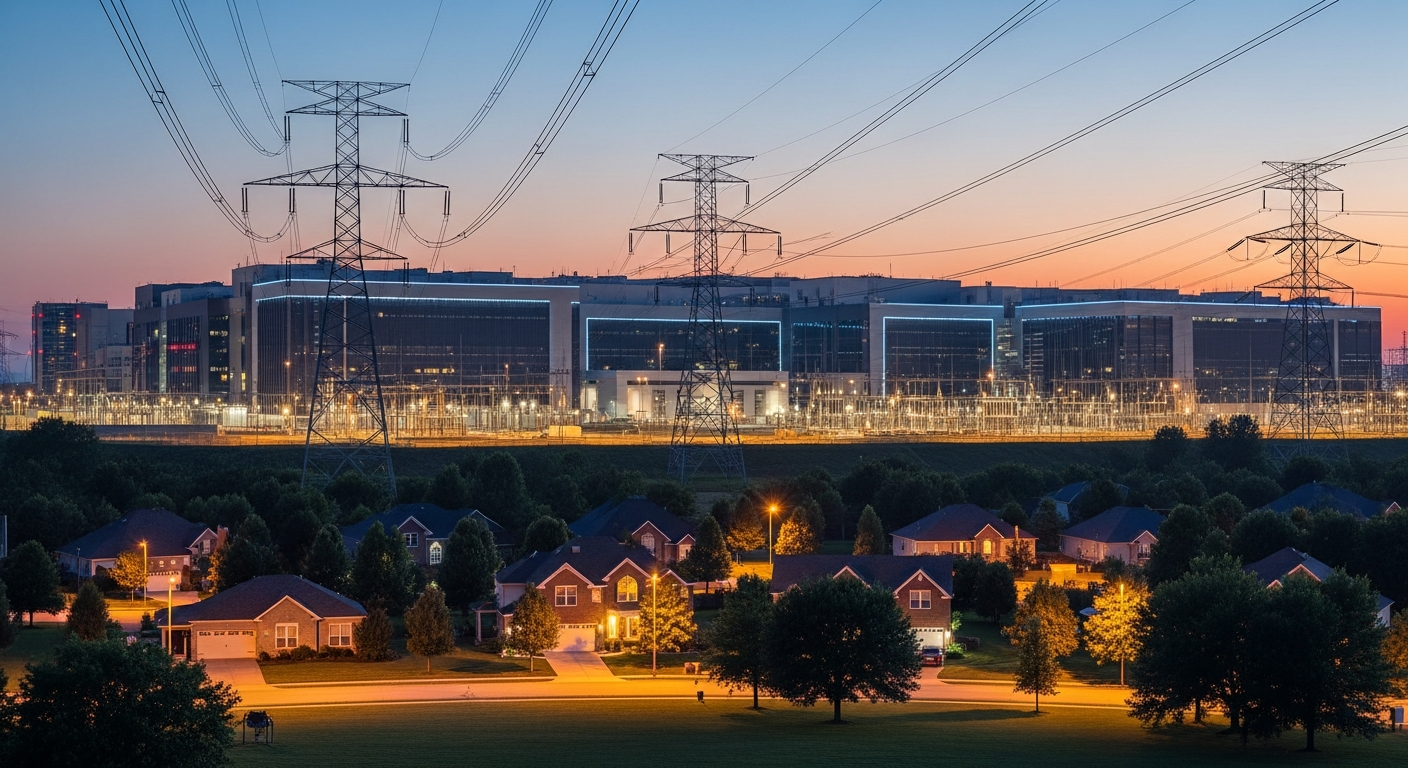
Virginia is making big moves to address the massive energy demands of data centers. A new order requires these facilities to fund their own dedicated electric infrastructure, aiming to protect residents from rising utility costs and grid strain.
