While you might hear that home prices are cooling nationally, that's really just an average masking a much more nuanced reality across individual markets. The truth is, depending on where you look, prices could still be growing solidly, holding steady or even dipping slightly. This variation isn't random; it all comes down to the level of available housing inventory. When there are more homes for sale, buyers have a wider selection, leading to less competition. This reduced competition means sellers have less leverage to push prices higher. Conversely, in areas with tight inventory, buyers are competing for a limited pool of homes, which naturally drives prices up.
This dynamic is clearly visible across the country right now. Markets where inventory has returned to or even surpassed, pre-pandemic 2019 levels are generally experiencing prices that are flattening or seeing modest declines. For example, areas in states like Texas, Florida, and Colorado often show inventory exceeding those 2019 benchmarks, leading to price pullbacks or flat growth. On the other hand, regions where inventory remains well below 2019 levels, such as many pockets of the Northeast and Midwest, are still witnessing home prices climb, albeit moderately. Data from Realtor.com indicates that 15 states and Washington, D.C. have now reached or exceeded their pre-pandemic inventory levels. When you compare this with the latest Federal Housing Finance Agency data, you can see a striking correlation: these same areas are precisely where prices have either flattened or seen mild declines over the past year. This isn't a coincidence; it's a direct cause and effect relationship, demonstrating that the national 1.7% price growth is truly an average of these two very different market stories.
For buyers, understanding your local market's inventory is paramount. In places with higher inventory, you might find more negotiating power, more choices and sellers who are more motivated to make a deal. However, in tighter markets, you'll likely still face significant competition. Sellers also need to be strategic with their pricing. In markets where inventory has increased, overpricing a home can lead to it sitting on the market longer and potentially selling for less than it would have if priced correctly from the start. Even in low inventory markets, accurate pricing is essential to attract serious buyers quickly.
In summary, I think what stands out here is just how localized the real estate market has become. The national headlines can be misleading and understanding the inventory levels in your specific area is the single most important factor in grasping what's truly happening with home prices. Call me if you want to discuss market trends or the value of your own home!

Inventory Shapes Local Home Prices
3 min read·Jul 20, 2026Neet help with buying / selling process?
Serviing the New River Valley Area
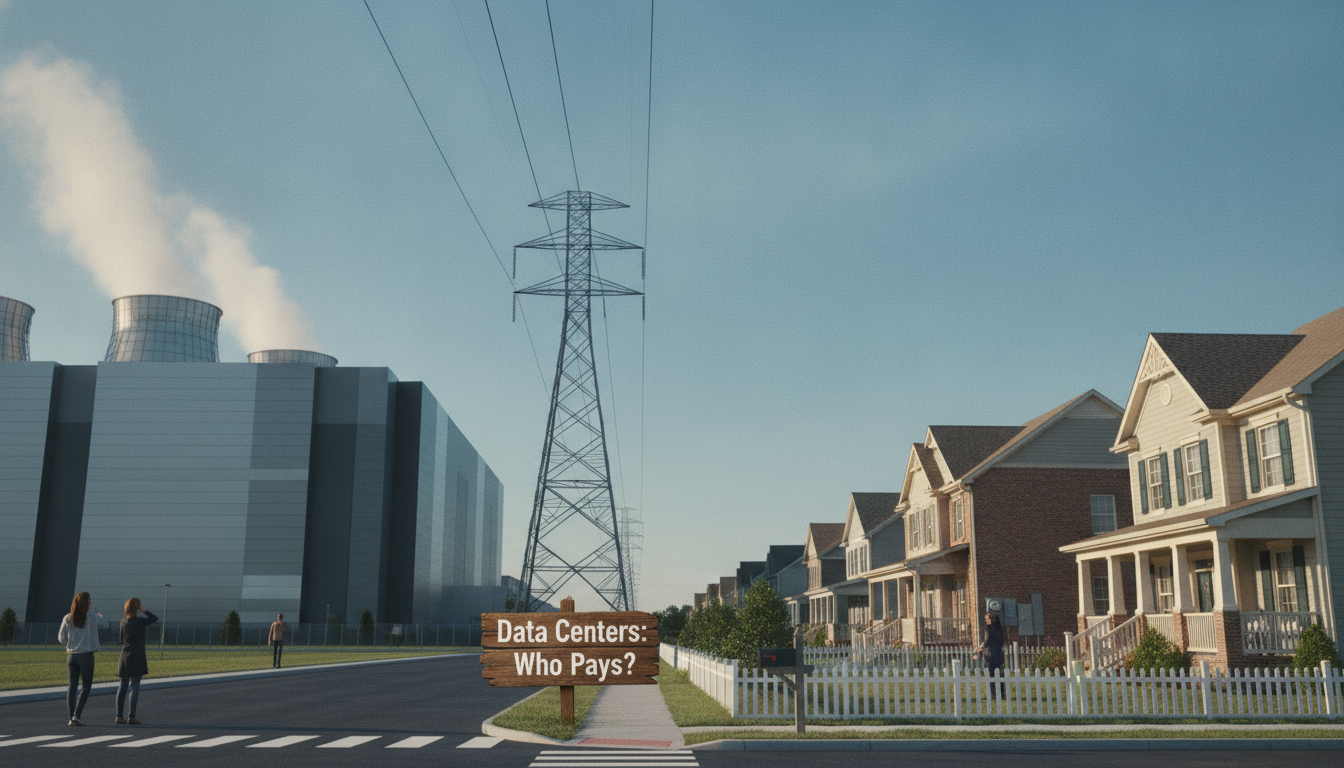
Virginia is at the heart of a national debate: should data centers pay more for the electricity infrastructure they demand? Residents are seeing their bills climb and are pointing fingers.

Local communities are grappling with the balance between public safety and individual privacy. Recent decisions in Christiansburg and Giles County highlight growing concerns over surveillance technology.

Two years after Hurricane Helene, the New River Valley is finally receiving significant federal relief funds. This money is crucial for long-term recovery and addressing ongoing community needs.

The Hotel Roanoke and Conference Center are on the market, with Virginia Tech exploring options for the historic property. Everyone's wondering about its future, especially with casino rumors swirling.

This summer, rising mortgage rates and home prices are making buyers take a closer look before jumping into the market. Despite these headwinds, the housing market shows surprising stability and some interesting regional trends.
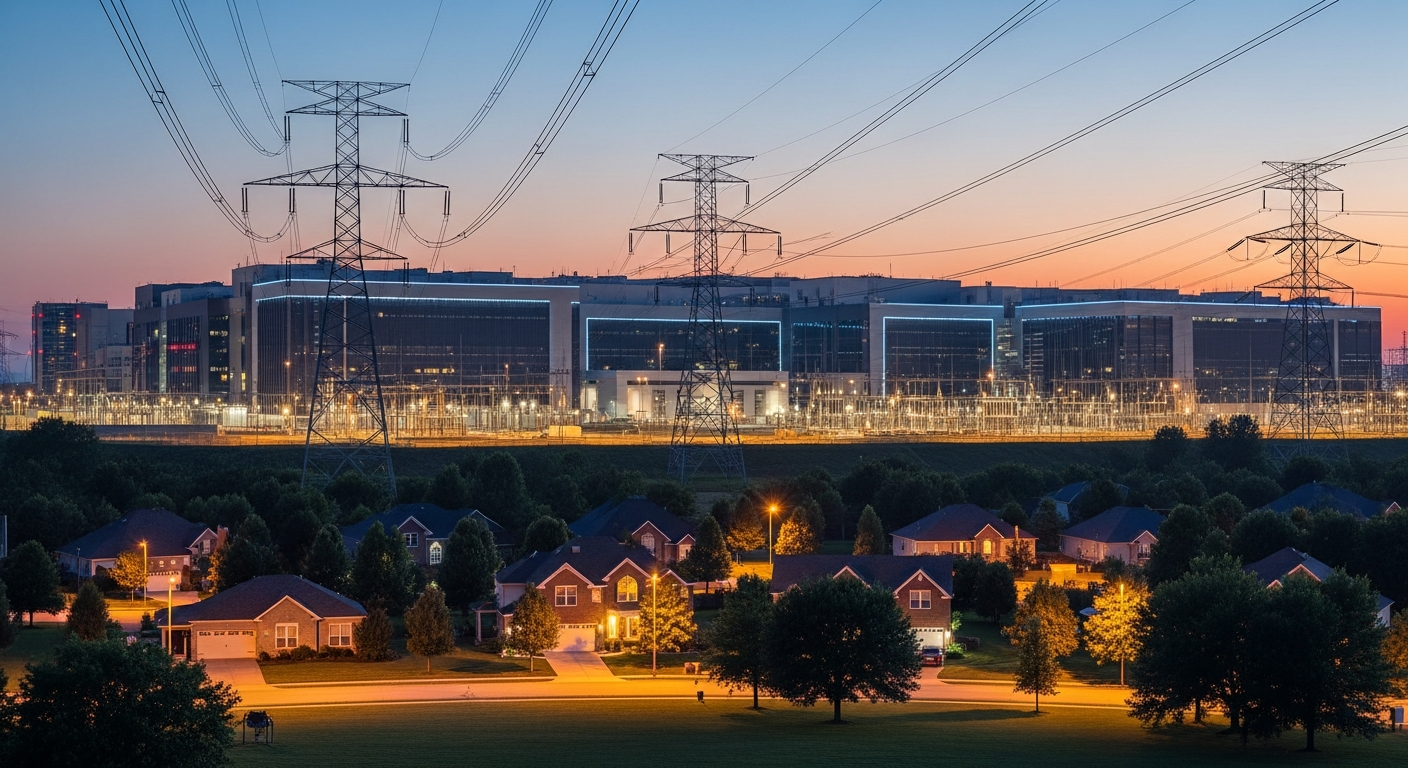
Virginia is making big moves to address the massive energy demands of data centers. A new order requires these facilities to fund their own dedicated electric infrastructure, aiming to protect residents from rising utility costs and grid strain.
