States considering the adoption of the updated 2024 International Energy Conservation Code (IECC) might see building costs for a typical single family home jump by as much as $14,000. This warning comes directly from the Department of Energy (DOE), highlighting a significant concern for prospective homeowners and the housing market. The IECC, a model code developed by the International Code Council (ICC), sets minimum energy efficiency requirements for buildings and is widely adopted across the United States.
The DOE's analysis of the 2024 IECC indicates that its nationwide adoption could increase residential construction costs by over $9.2 billion annually compared to 2006 code levels, leading to a staggering $127 billion in cumulative costs. A major point of contention is that while these regulations aim for energy savings, the projected payback periods for homeowners often exceed 10 years, with some stretching beyond 20 years. This effectively locks families into decades long repayment schedules, potentially restricting their choices in appliances and equipment. The 2024 IECC includes various provisions, such as requirements for heat or energy recovery ventilation systems, installation of specific energy-efficient appliances and the deployment of renewable energy resources on building sites. While the ICC anticipated these new codes would improve energy efficiency by roughly 10 percent for commercial buildings and 6.5 percent for residential buildings, the DOE has raised serious concerns.
The DOE sent a letter to the ICC expressing worries about the IECC's expanding scope. Historically focused on building energy efficiency, the code has recently broadened to include areas like energy generation infrastructure and greenhouse gas emissions. The department argues this shift risks undermining its core objectives of ensuring housing affordability and safeguarding consumer choice. They've urged the ICC to refocus on traditional building energy efficiency that offers clear cost savings and tangible benefits to consumers, encouraging the omission of requirements related to onsite energy generation and greenhouse gas avoidance, which significantly inflate construction costs. Assistant Secretary of Energy Audrey Robertson emphasized that the priority is the American homeowner and erroneous building requirements should not push homeownership out of reach.
This push for affordability aligns with broader governmental efforts. President Trump's executive order, "Removing Regulatory Barriers to Affordable Home Construction," specifically targeted unnecessary regulatory barriers and mandates that drive up new home costs. HUD has stated that regulatory costs contribute nearly $94,000 to the final price of a new single-family home, with green energy mandates in building codes alone accounting for $30,000 of that. In fact, HUD and the Department of Agriculture recently rescinded a policy related to energy standards that would have added another $20,000 to $31,000 to home construction costs. Cutting such red tape is seen as crucial for boosting housing stock and making new homes more affordable for Americans.
I think what stands out here is the tension between admirable goals of energy efficiency and the very real impact on housing affordability. It seems like a critical balance needs to be struck to ensure that efforts to make homes greener don't inadvertently make them inaccessible for many families. The long payback periods for energy savings are definitely something I would consider if I were looking to buy a new home under these new codes. Unfortunately these types of costs are nothing new. Its important not to blame builders, but to realize that they are simply forced to adopt and pass on these required costs.

Energy Codes: New Home Costs Rise
3 min read·Jul 9, 2026Neet help with buying / selling process?
Serviing the New River Valley Area
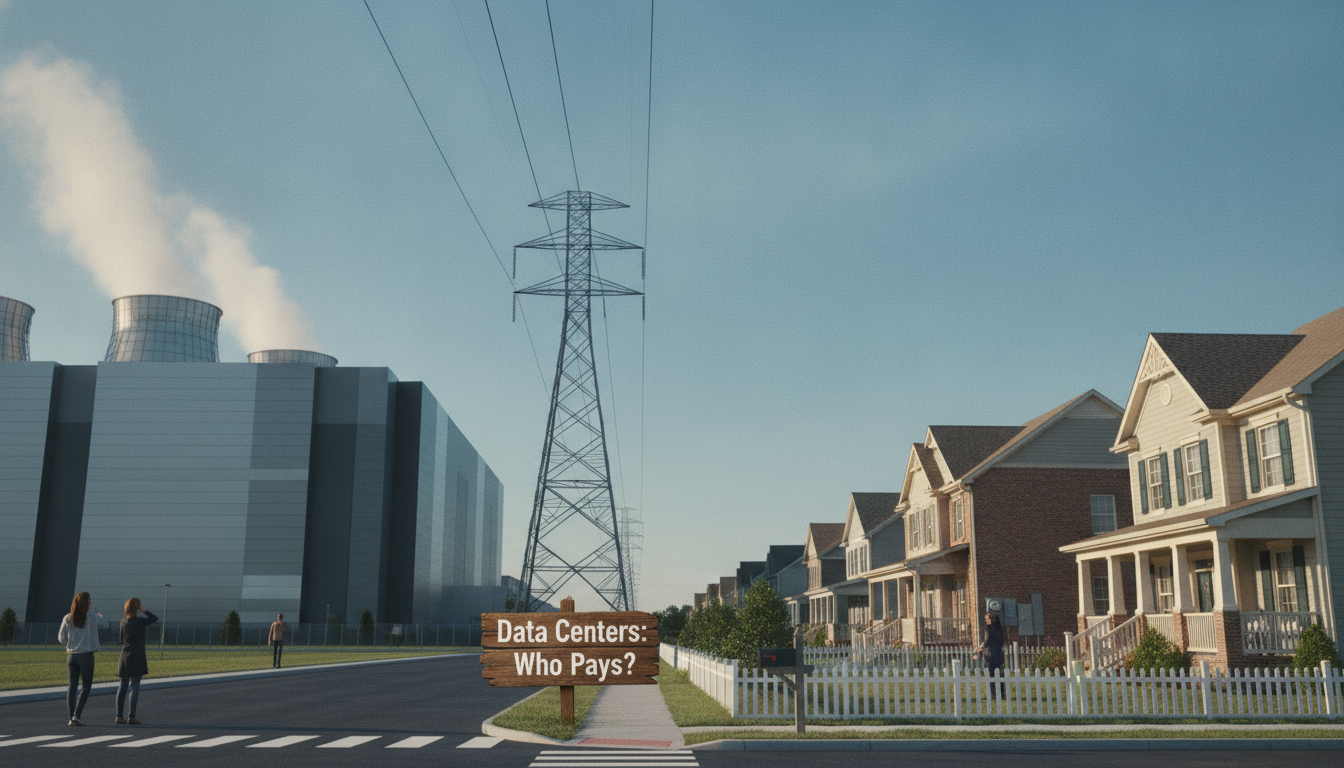
Virginia is at the heart of a national debate: should data centers pay more for the electricity infrastructure they demand? Residents are seeing their bills climb and are pointing fingers.
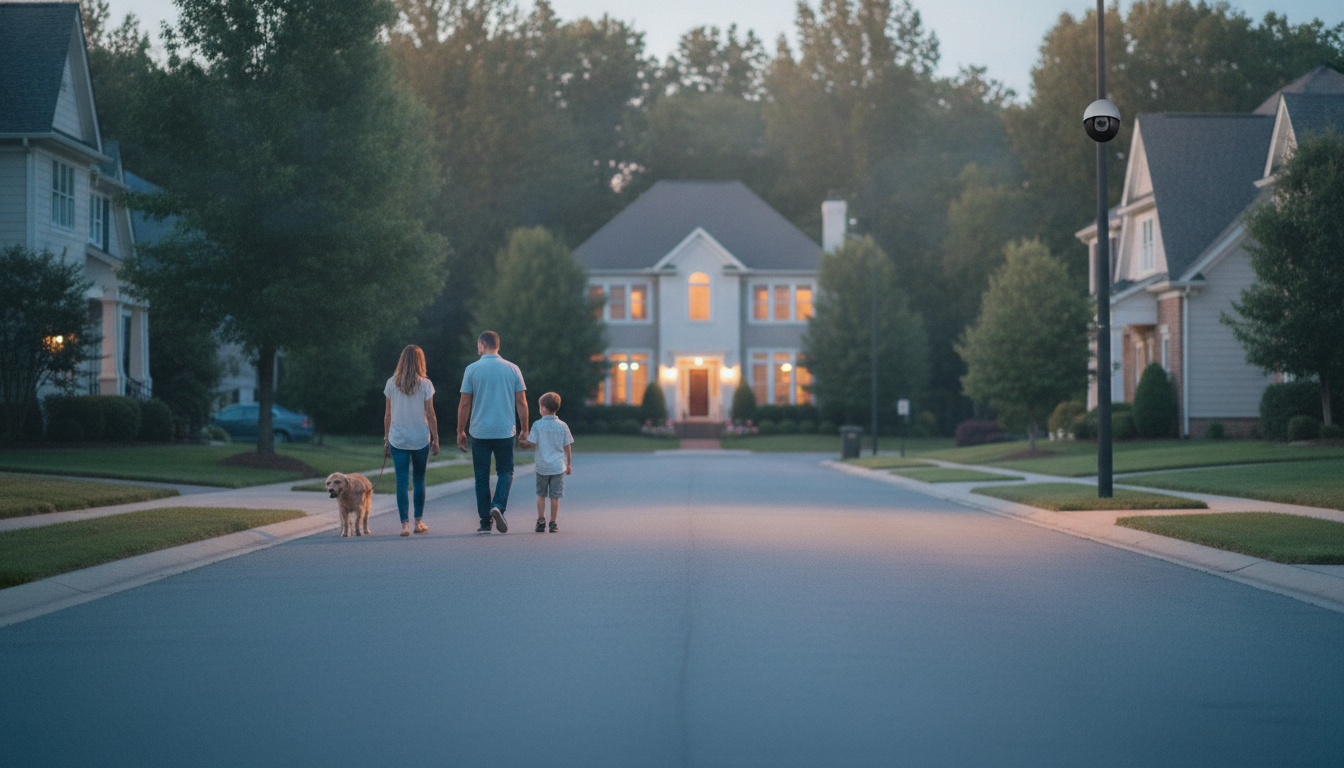
Local communities are grappling with the balance between public safety and individual privacy. Recent decisions in Christiansburg and Giles County highlight growing concerns over surveillance technology.
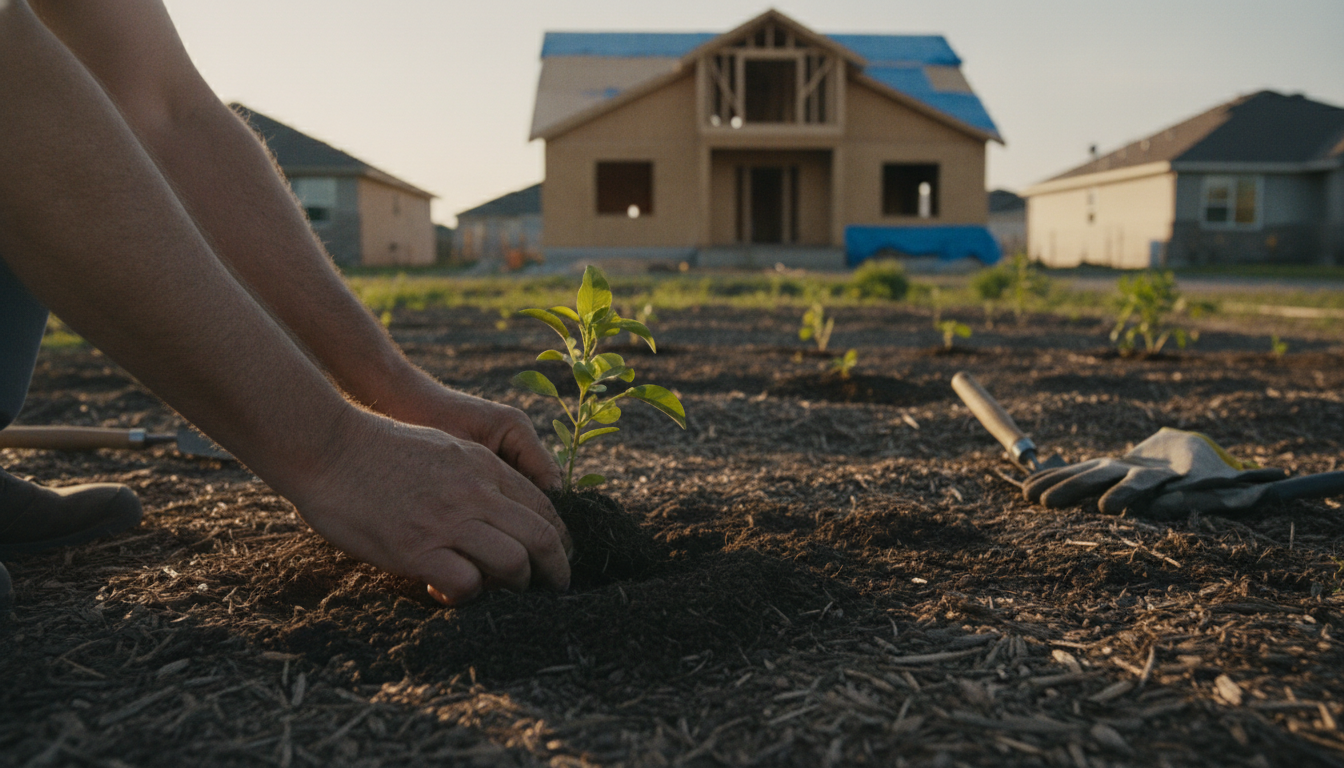
Two years after Hurricane Helene, the New River Valley is finally receiving significant federal relief funds. This money is crucial for long-term recovery and addressing ongoing community needs.

The Hotel Roanoke and Conference Center are on the market, with Virginia Tech exploring options for the historic property. Everyone's wondering about its future, especially with casino rumors swirling.

This summer, rising mortgage rates and home prices are making buyers take a closer look before jumping into the market. Despite these headwinds, the housing market shows surprising stability and some interesting regional trends.
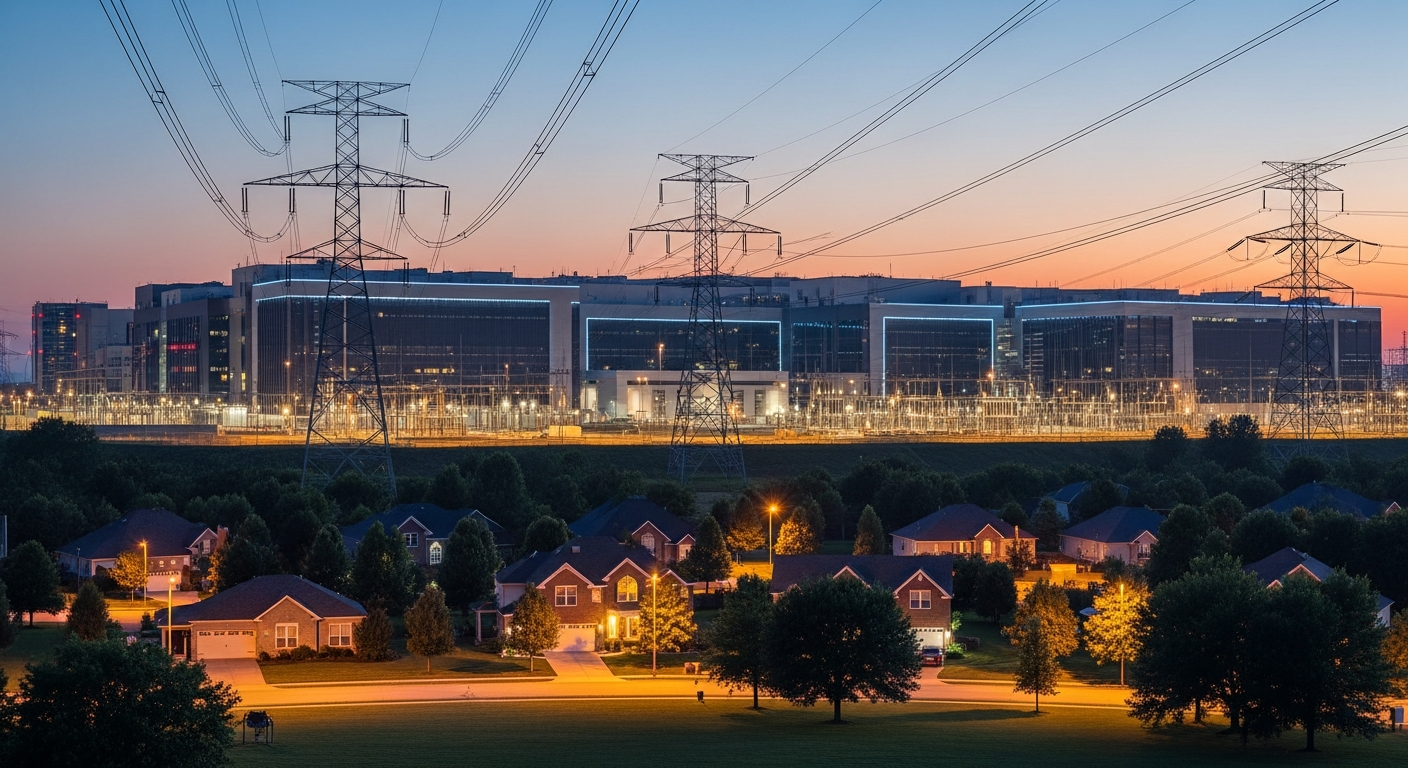
Virginia is making big moves to address the massive energy demands of data centers. A new order requires these facilities to fund their own dedicated electric infrastructure, aiming to protect residents from rising utility costs and grid strain.
