Virginia Tech is currently undertaking a significant search for its 17th president, a process that is anticipated to span at least six to eight months. This timeline, advised by the Boston-based search firm Isaacson, Miller, is notably longer than the initial three-month goal proposed by Rector John Rocovich. A 23-member search committee, led by Nancy Dye and comprising board members and alumni, has been formed to find a successor for the outgoing President Tim Sands.
While the firm emphasizes the need for a thorough process, including understanding university directives, recruiting diverse candidates and ensuring all stakeholders, from Blacksburg to alumni across the state, feel heard, some committee members have expressed reservations. Board member Jeanne Stosser, for instance, questioned the extended timeline, fearing that a prolonged search could deter strong candidates and stall institutional momentum.
The context of this search is particularly sensitive. Isaacson, Miller previously assisted the University of Virginia in its presidential search, which saw the appointment of Scott Beardsey amid faculty concerns about a rushed process and undue political influence, following President Jim Ryan's resignation under pressure from the Trump administration. Similarly, U.S. Senator Tim Kaine raised alarms about President Sands' departure, suggesting political motivations akin to past leadership changes at VMI, UVA, and George Mason and urged Governor Spanberger to safeguard higher education from such schemes.
The composition of Virginia Tech's board of visitors, predominantly appointed by former Governor Youngkin, adds another layer to these concerns, though Governor Spanberger's recent appointees will join the search committee. Bridget Ryan Berman of the Virginia Tech Alumni Association board underscored the importance of a deliberate approach, stressing the need to find the "right person" even if it means extending the search and expressed relief that the process now appears comprehensive and inclusive.
Faculty members have voiced their own concerns, highlighting what they perceive as underrepresentation on the committee and a potentially accelerated timeline compared to the search that brought Sands to the university in 2014. They hope for continued support for graduate programs and a president who truly understands the unique role of a land-grant research institution. Students, too, have shared their expectations, advocating for a president who champions student interests, resists political interference, maintains transparency and fosters innovation. Some, like sophomore Jules Nind, have called for more open dialogue and clear communication from leadership, contrasting with what they felt was a lack of engagement from the previous administration on certain issues. The search firm plans further listening sessions and surveys to gather comprehensive feedback before moving to vet nominations and applicants, ensuring the final position description reflects the community's collective vision.
I think what stands out here is the tension between the desire for a swift resolution and the critical need for a comprehensive and politically unblemished selection process. Balancing these pressures while ensuring community input will be the ultimate challenge for the search committee.
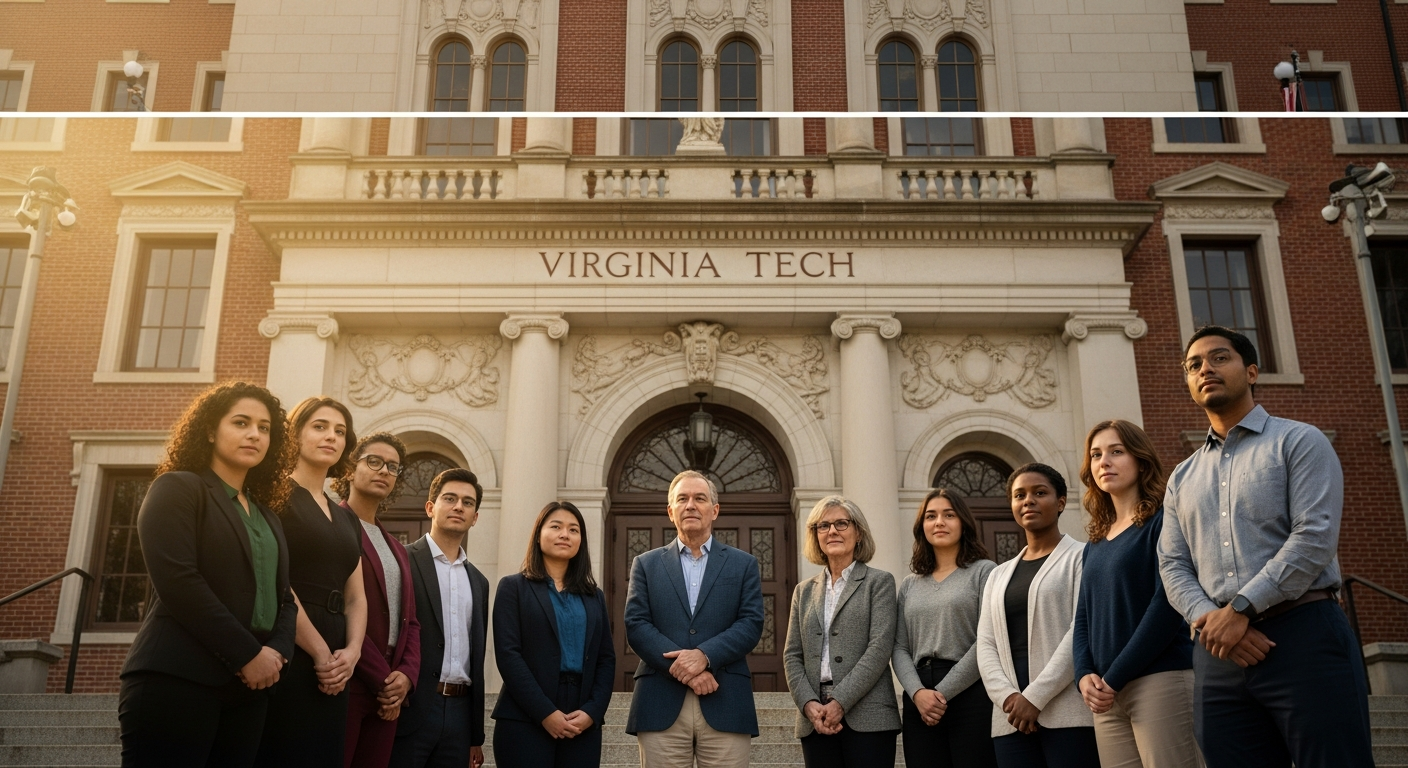
Virginia Tech's Presidential Search Delay
3 min read·Jun 4, 2026Neet help with buying / selling process?
Serviing the New River Valley Area
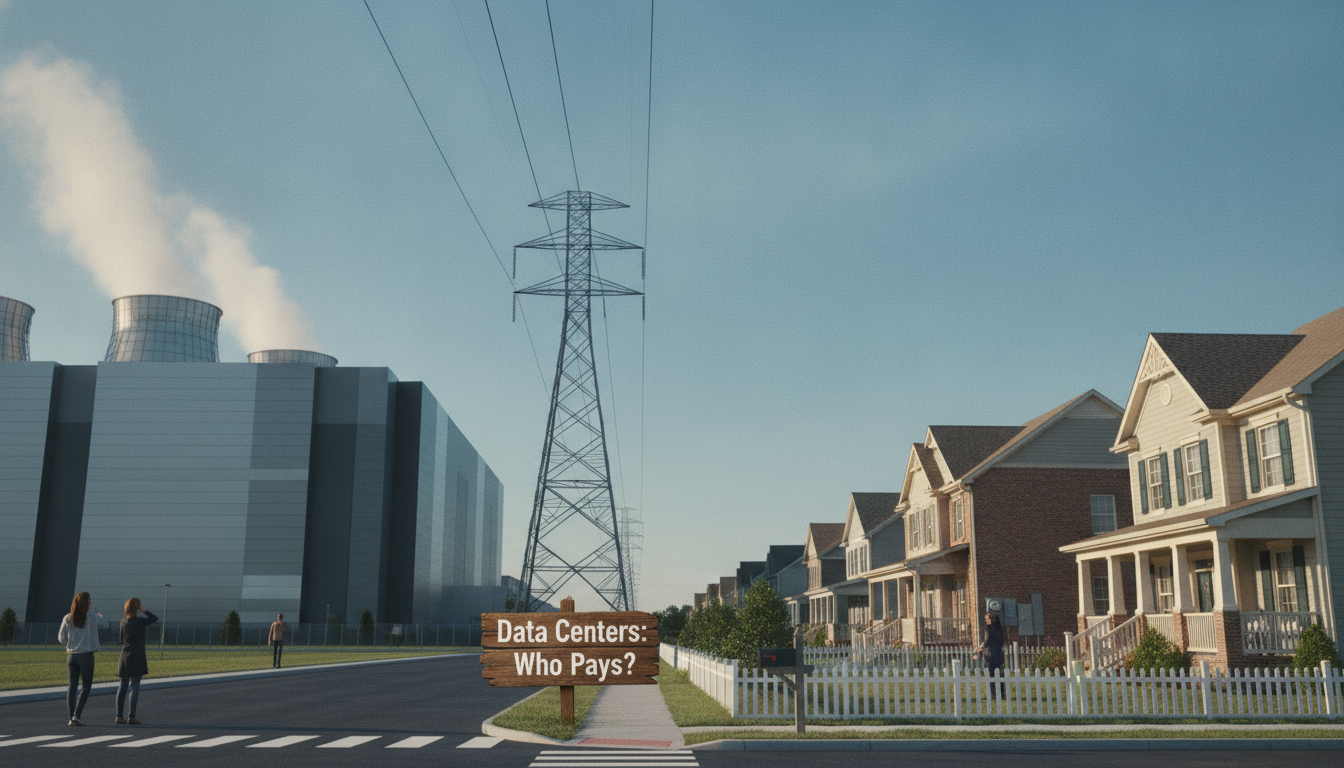
Virginia is at the heart of a national debate: should data centers pay more for the electricity infrastructure they demand? Residents are seeing their bills climb and are pointing fingers.

Local communities are grappling with the balance between public safety and individual privacy. Recent decisions in Christiansburg and Giles County highlight growing concerns over surveillance technology.

Two years after Hurricane Helene, the New River Valley is finally receiving significant federal relief funds. This money is crucial for long-term recovery and addressing ongoing community needs.
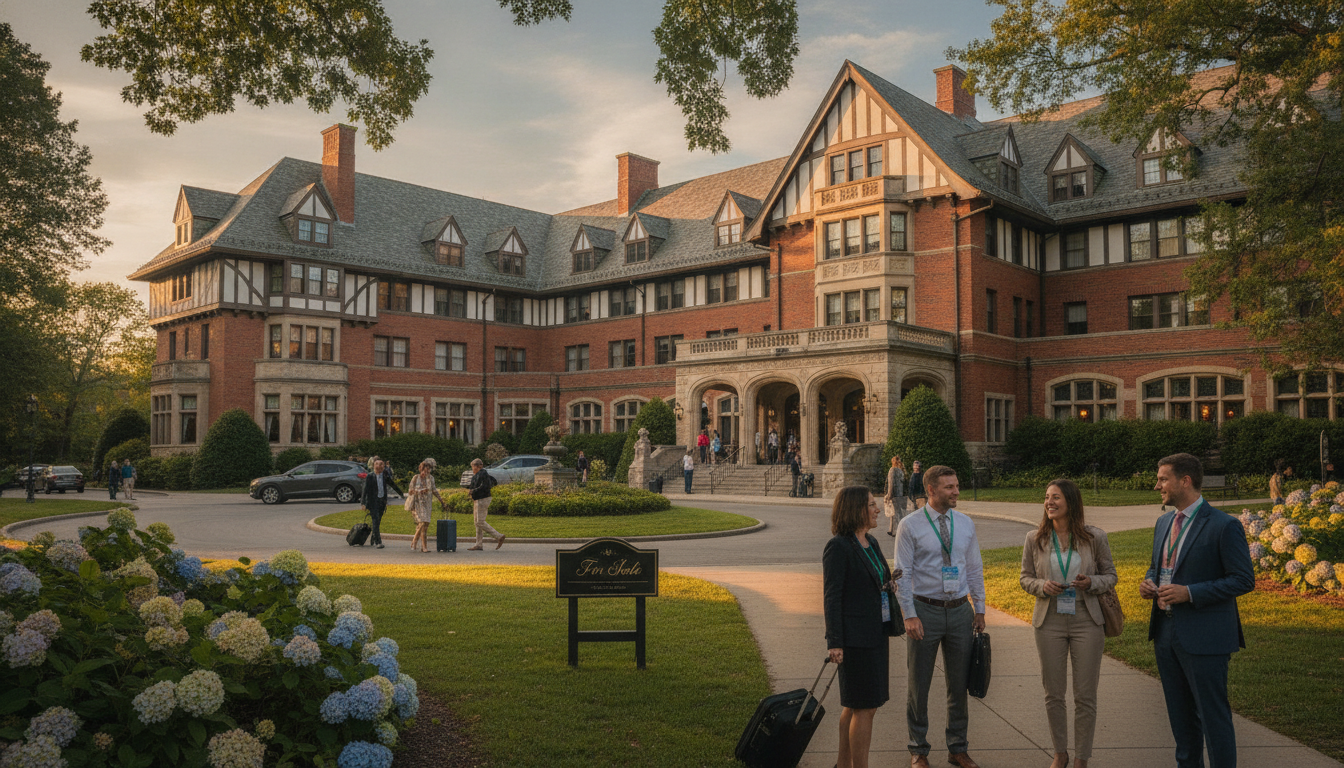
The Hotel Roanoke and Conference Center are on the market, with Virginia Tech exploring options for the historic property. Everyone's wondering about its future, especially with casino rumors swirling.

This summer, rising mortgage rates and home prices are making buyers take a closer look before jumping into the market. Despite these headwinds, the housing market shows surprising stability and some interesting regional trends.
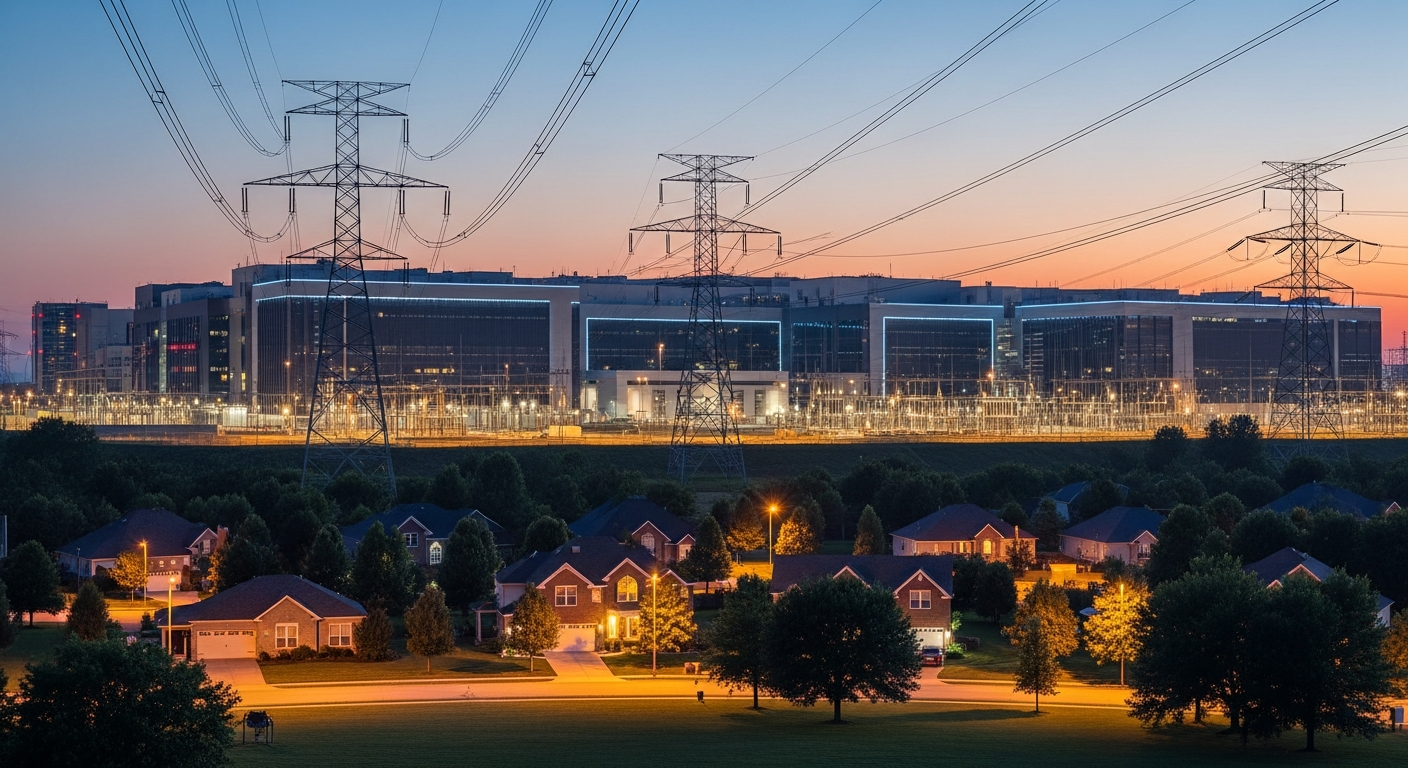
Virginia is making big moves to address the massive energy demands of data centers. A new order requires these facilities to fund their own dedicated electric infrastructure, aiming to protect residents from rising utility costs and grid strain.
