Many homeowners appreciate mulch for its ability to retain soil moisture, suppress weeds, regulate soil temperature and enhance curb appeal. However, selecting the wrong type or applying it improperly can lead to significant structural problems for a home's foundation. The primary concerns revolve around excessive moisture retention and pest attraction.
Organic mulches, such as shredded bark and wood chips, are particularly problematic when placed too close to the house. They excel at holding water, which can keep the soil around the foundation consistently damp. This prolonged moisture can lead to hydrostatic pressure against the foundation walls, potentially causing cracks, leaks and creating an ideal environment for mold and mildew growth inside the home. Beyond moisture, these organic materials are highly attractive to pests like termites, carpenter ants, rodents and roaches. Once established in the mulch, these creatures can easily migrate from the landscape into the house, causing further damage.
Experts recommend maintaining a clear zone of 6 to 12 inches between any mulch and the home's foundation. Additionally, mulch should be applied to a depth of no more than 2 to 4 inches. When considering different mulch types, each has its own set of pros and cons. Shredded bark and wood chips, while popular, carry the highest risk for pests and moisture issues near the foundation. Rubber mulch, made from recycled tires, is durable and does not attract pests or decompose. However, it can absorb and radiate significant heat, posing a potential fire risk, and may leach chemicals into the soil, making it unsuitable for planting areas or close to the house. Pine needles offer an acidic option beneficial for certain plants and are less appealing to pests than wood mulches, but they can wash away easily. Rock or gravel mulch presents a pest free, well draining alternative that does not decompose. Its drawbacks include high cost, heavy weight, difficulty of removal and its tendency to absorb and radiate heat, which can dry out nearby plants.
To mitigate risks, homeowners might consider using inorganic options like rock or gravel directly against the foundation, ensuring proper drainage. Regardless of the mulch chosen, it is advisable to install a barrier like plastic sheeting or landscape fabric underneath to further control moisture and weed growth. Regular inspection of the mulch area for any signs of pest activity is also crucial. I think what stands out here is the importance of understanding that even seemingly innocuous landscaping choices can have major implications for a home's structural integrity, making careful selection and application paramount.
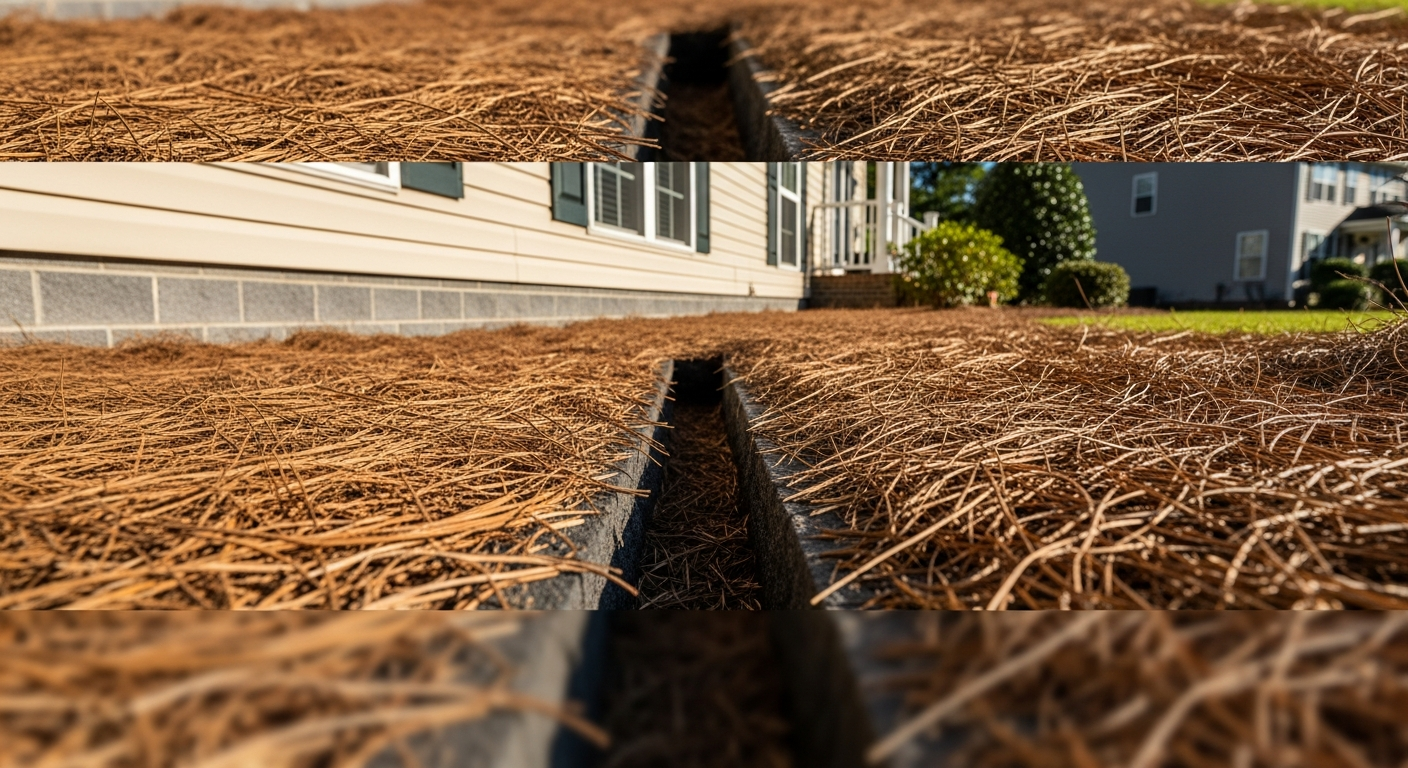
Mulch: Friend or Foundation Foe?
3 min read·May 25, 2026Neet help with buying / selling process?
Serviing the New River Valley Area

Virginia is at the heart of a national debate: should data centers pay more for the electricity infrastructure they demand? Residents are seeing their bills climb and are pointing fingers.

Local communities are grappling with the balance between public safety and individual privacy. Recent decisions in Christiansburg and Giles County highlight growing concerns over surveillance technology.
Two years after Hurricane Helene, the New River Valley is finally receiving significant federal relief funds. This money is crucial for long-term recovery and addressing ongoing community needs.

The Hotel Roanoke and Conference Center are on the market, with Virginia Tech exploring options for the historic property. Everyone's wondering about its future, especially with casino rumors swirling.

This summer, rising mortgage rates and home prices are making buyers take a closer look before jumping into the market. Despite these headwinds, the housing market shows surprising stability and some interesting regional trends.

Virginia is making big moves to address the massive energy demands of data centers. A new order requires these facilities to fund their own dedicated electric infrastructure, aiming to protect residents from rising utility costs and grid strain.
