There's a lot of uncertainty swirling around the housing market right now and it's easy to get caught up in the dramatic headlines. Many potential homebuyers are expressing concerns about mortgage rates, the number of homes available and whether home prices are stable. However, a closer look at the data reveals that some of these widespread worries might be based on misconceptions rather than actual facts.
One common idea circulating is that mortgage rates are poised for a dramatic fall, suggesting it's better to wait to buy. While rates have seen slight fluctuations recently, current forecasts don't indicate a significant drop. The most likely scenario is that rates will hover in the low 6% range throughout 2026. Waiting for a major decline might not yield the desired outcome, especially since affordability is already better now than it was a year ago, even with current rates.
Another concern is that there are simply too many homes for sale. Nationally, inventory is indeed up by 8% compared to last year, which is actually a positive development, offering buyers a bit more breathing room. However, headlines often focus on how this is the most inventory since 2019, making it sound like an oversupply. The reality is that despite this progress, the number of homes for sale is still nearly 14% lower than what was considered a normal housing market between 2017 and 2019. In fact, only nine states currently have more inventory than they did prepandemic, which is a key reason why we're not seeing conditions that would trigger a market crash like in 2008.
Finally, the idea that home prices are about to crash is also a significant worry for many. While some specific metropolitan areas are experiencing mild price declines, this isn't a widespread trend. Most regions (including the NRV) are actually seeing prices continue to rise. This stability is due to several factors: many homeowners are reluctant to sell and give up their locked-in, low mortgage rates, which limits how much inventory can grow. Additionally, with inventory still below prepandemic levels, there simply aren't enough homes to cause a price crash. Even in markets with increased inventory, some sellers are opting to pull their homes off the market rather than cut prices. The mild declines observed in certain areas are simply a moderation after several years of record breaking gains, not a crash.
In summary, I think what stands out here is how easily market perceptions can be swayed by sensational headlines. The underlying data often tells a much more stable and nuanced story than what you might initially hear. Personally, I try to reveal the industry buzz, without the constant weekly volatility, which can certainly be mind numbing if not paralysing.

Housing Market: Fact vs. Fiction
3 min read·Jun 1, 2026Neet help with buying / selling process?
Serviing the New River Valley Area
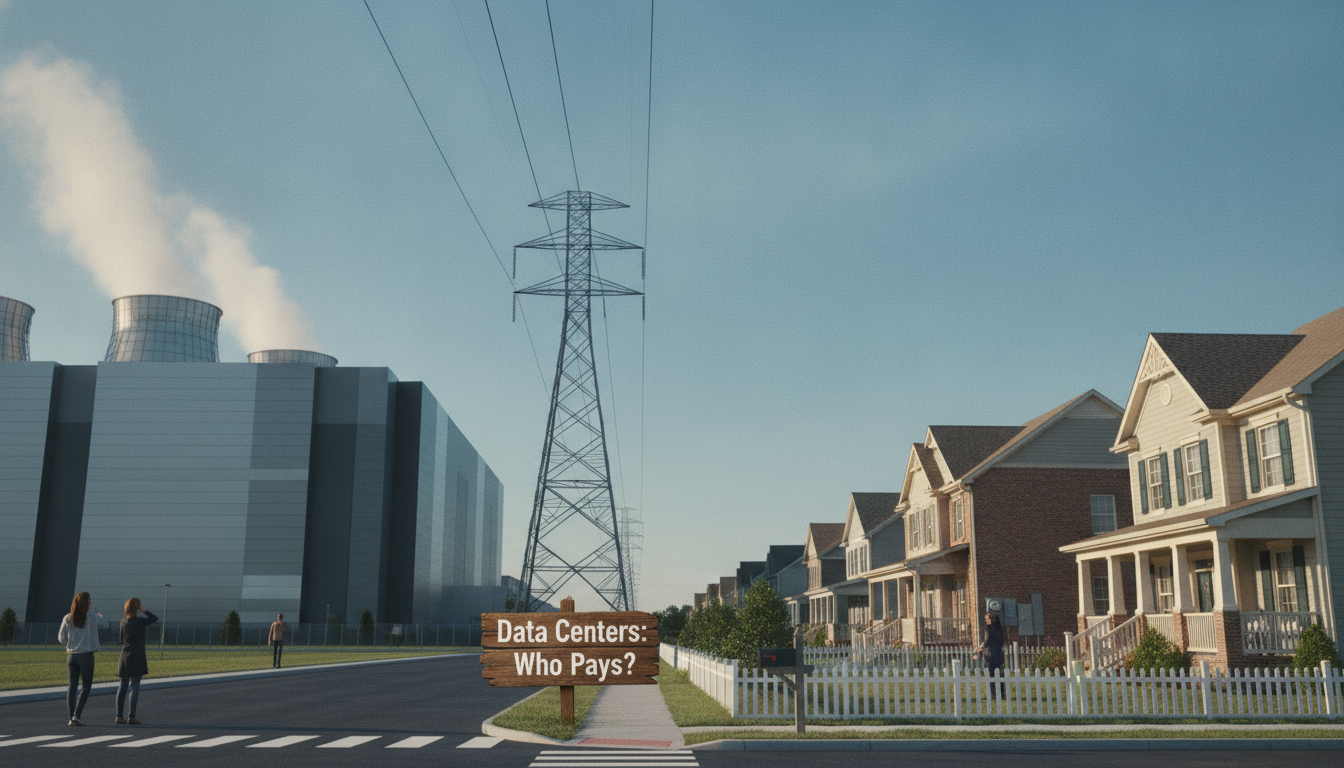
Virginia is at the heart of a national debate: should data centers pay more for the electricity infrastructure they demand? Residents are seeing their bills climb and are pointing fingers.

Local communities are grappling with the balance between public safety and individual privacy. Recent decisions in Christiansburg and Giles County highlight growing concerns over surveillance technology.

Two years after Hurricane Helene, the New River Valley is finally receiving significant federal relief funds. This money is crucial for long-term recovery and addressing ongoing community needs.

The Hotel Roanoke and Conference Center are on the market, with Virginia Tech exploring options for the historic property. Everyone's wondering about its future, especially with casino rumors swirling.

This summer, rising mortgage rates and home prices are making buyers take a closer look before jumping into the market. Despite these headwinds, the housing market shows surprising stability and some interesting regional trends.
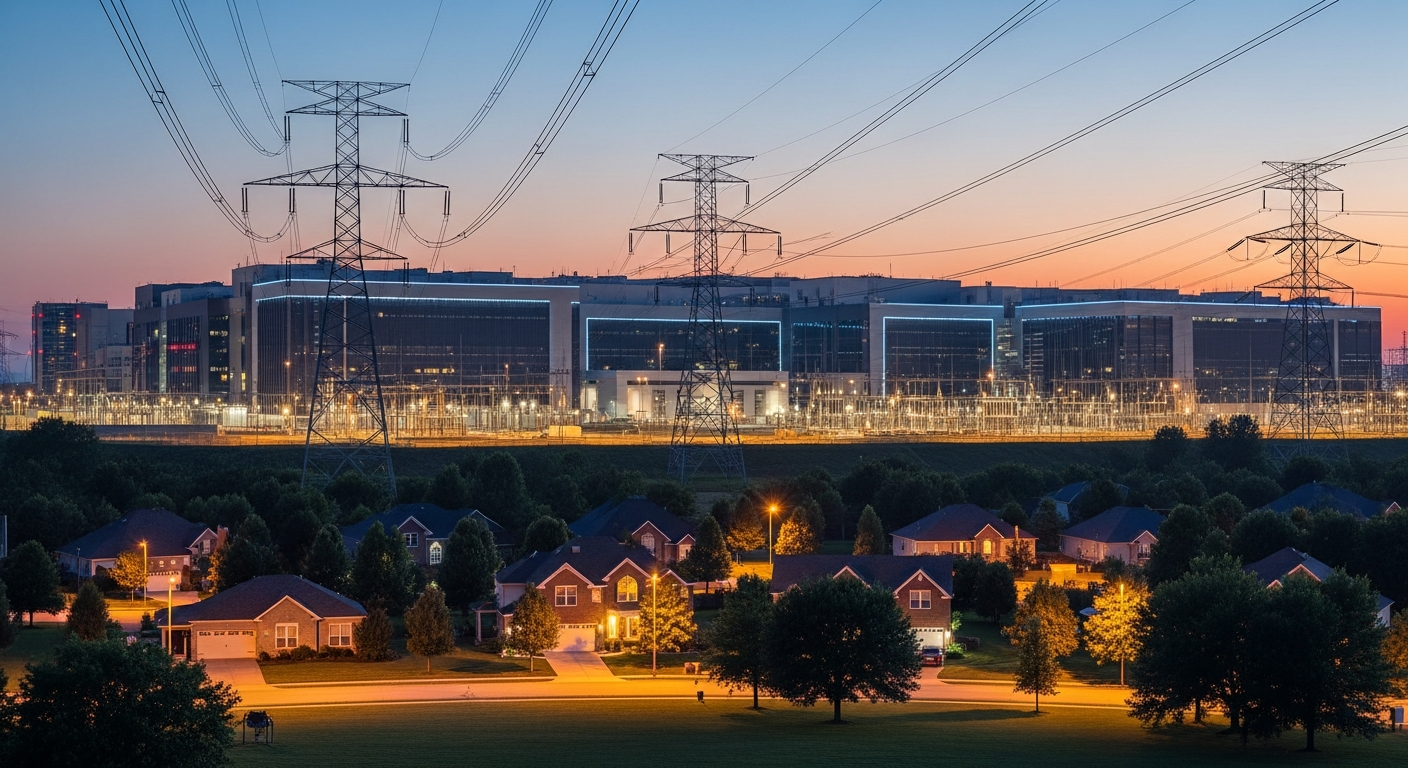
Virginia is making big moves to address the massive energy demands of data centers. A new order requires these facilities to fund their own dedicated electric infrastructure, aiming to protect residents from rising utility costs and grid strain.
