Most people start their homebuying journey by browsing listings, scrolling through photos, imagining themselves in the kitchen, maybe already picking out paint colors. But before any of that becomes real, there's one thing that quietly controls the entire process: your credit. Getting it in shape before you talk to a lender isn't just smart, it's the move that separates serious buyers from wishful ones.
The starting point is simpler than most people expect. Pull your credit report. You can do this for free through each of the three major bureaus, TransUnion, Experian, and Equifax. Checking your own report counts as a "soft inquiry," which means it won't affect your score at all. You're just looking at what's already there and often, what you find surprises people. Old accounts, addresses that don't match, even accounts you don't remember opening, these things happen, and sometimes they're signs of identity theft. Catching errors early gives you time to dispute them before a lender is staring at the same report.
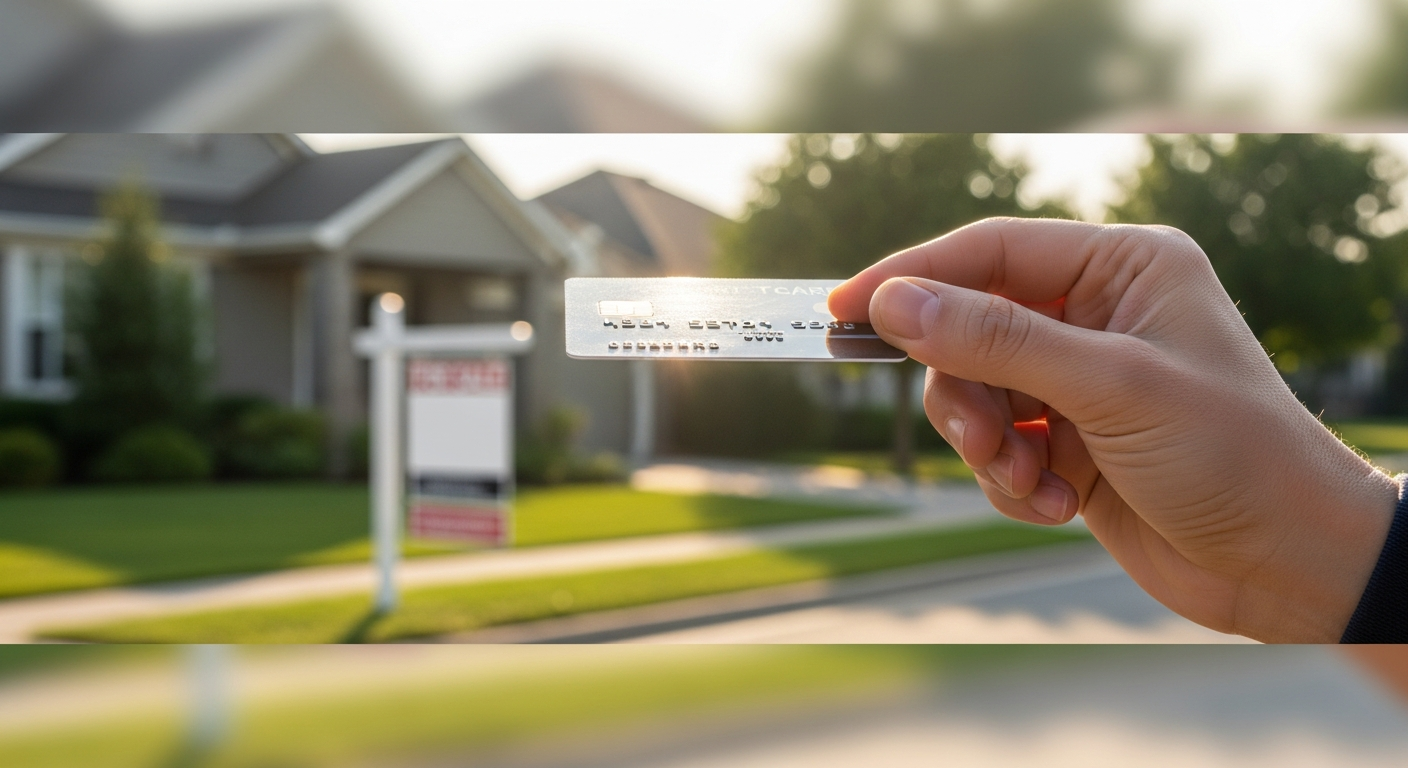
Once you know where you stand, the single most impactful thing you can do is get your credit card balances under control. Lenders pay close attention to your credit utilization ratio, that's just a fancy way of saying how much of your available credit you're actually using. Once you're using more than 30% of your limit on any card, your score starts to drop. It can quietly cost you 15 points or more, which might not sound like a lot until you realize that gap could push you into a less favorable loan tier and cost you real money every single month. Paying balances down is one of the fastest ways to see a meaningful score improvement.
After that, the focus shifts to the bigger picture. On time payments matter enormously, even one missed payment can set you back more than months of good behavior can recover. It's also worth being careful about what you do with existing accounts. Closing an old credit card might feel like tidying up, but it can actually hurt your score by reducing your available credit and shortening your credit history. Opening new accounts right before applying for a mortgage is generally a bad idea, since each hard inquiry can nudge your score downward.
The goal of all this isn't perfection. It's positioning. A stronger credit profile means better loan options, a lower interest rate and ultimately a more affordable monthly payment over the life of the loan. For buyers who are a few months away from being ready, the time spent on credit cleanup is almost always worth it.
I genuinely believe that most buyers underestimate how much control they have here. Credit isn't some mysterious score handed down from above, it's a reflection of your financial habits, and habits can change. Getting ahead of this before homebuying season hits puts you in a fundamentally different conversation with any lender. Many of my clients have mentioned that this kind of preparation made their whole process feel less stressful, which honestly tracks.