Virginia is making a significant move to tackle its housing supply and affordability challenges with a new law that will streamline the process of building accessory dwelling units, or ADUs. These versatile structures, which can range from a tiny house on an existing lot to a garage converted into an apartment, a carriage house or even an in-law suite, are about to become much more accessible for homeowners. The legislation, signed by Governor Abigail Spanberger, is a response to the current housing shortage and the difficulties many families face in finding affordable living options.
Starting July 1, 2027, this new law will allow ADUs to be built on people's property "by-right" in districts zoned for single-family homes. This means localities will be required to permit them, removing the previous hurdle where Virginians were often at the mercy of their local government's discretion, facing potential denials or prohibitive fees. To further ease the process, the law caps permit fees at a maximum of $500. Beyond just permitting, the legislation also addresses other common obstacles. It prevents localities from imposing the large setback requirements typically applied to bigger homes and significantly eliminates rules that mandated a family relation between the ADU occupants and the primary residents. This particular change opens up possibilities for homeowners to rent out their ADUs to non-relatives, potentially creating new income streams and increasing rental housing options.
This bipartisan effort, championed by Senator Kannan Srinivasan and Senator Saddam Salim, finally succeeded after several previous attempts to pass similar bills. Senator Salim expressed his satisfaction, stating he was glad they were "finally moving forward with practical housing options." Organizations like Housing Opportunities Made Equal of Virginia, through its policy director Laura Dobbs, have praised the new law as a "shovel-ready tool" to address housing needs. The Pacific Legal Foundation, which advocates against government overreach, also supported the bill, with policy counsel Jamie Cavanaugh highlighting it as "the freedom to use your own property" and hoping other states will follow Virginia's lead in cutting through restrictive zoning. This ADU bill is part of a broader suite of housing legislation passed in Virginia this year, all aimed at boosting supply and improving housing affordability across the state.
I think what stands out here is how this law empowers individual property owners while simultaneously addressing a critical statewide issue. It's a smart way to increase housing options without massive new developments, offering flexibility for both families and the broader community.

Virginia's Tiny Home Revolution
3 min read·Jun 25, 2026Neet help with buying / selling process?
Serviing the New River Valley Area
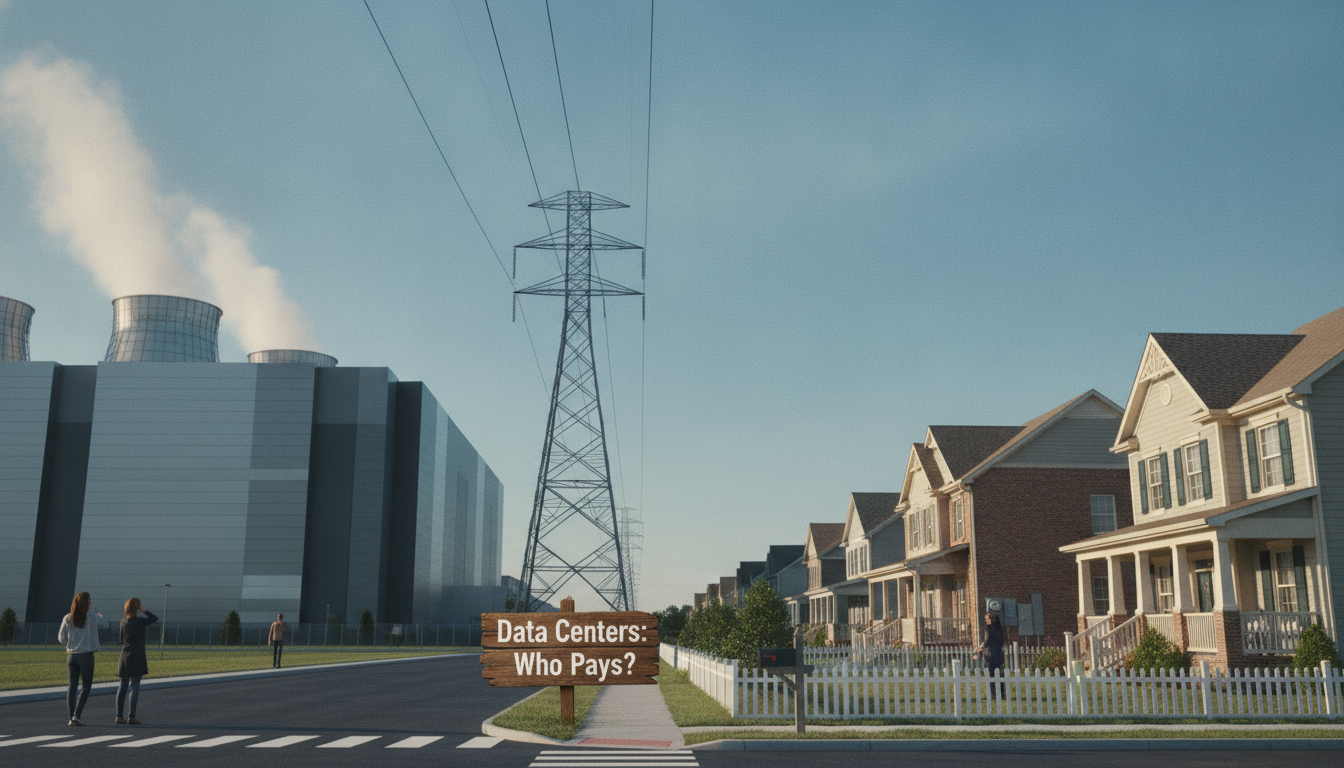
Virginia is at the heart of a national debate: should data centers pay more for the electricity infrastructure they demand? Residents are seeing their bills climb and are pointing fingers.

Local communities are grappling with the balance between public safety and individual privacy. Recent decisions in Christiansburg and Giles County highlight growing concerns over surveillance technology.

Two years after Hurricane Helene, the New River Valley is finally receiving significant federal relief funds. This money is crucial for long-term recovery and addressing ongoing community needs.

The Hotel Roanoke and Conference Center are on the market, with Virginia Tech exploring options for the historic property. Everyone's wondering about its future, especially with casino rumors swirling.

This summer, rising mortgage rates and home prices are making buyers take a closer look before jumping into the market. Despite these headwinds, the housing market shows surprising stability and some interesting regional trends.
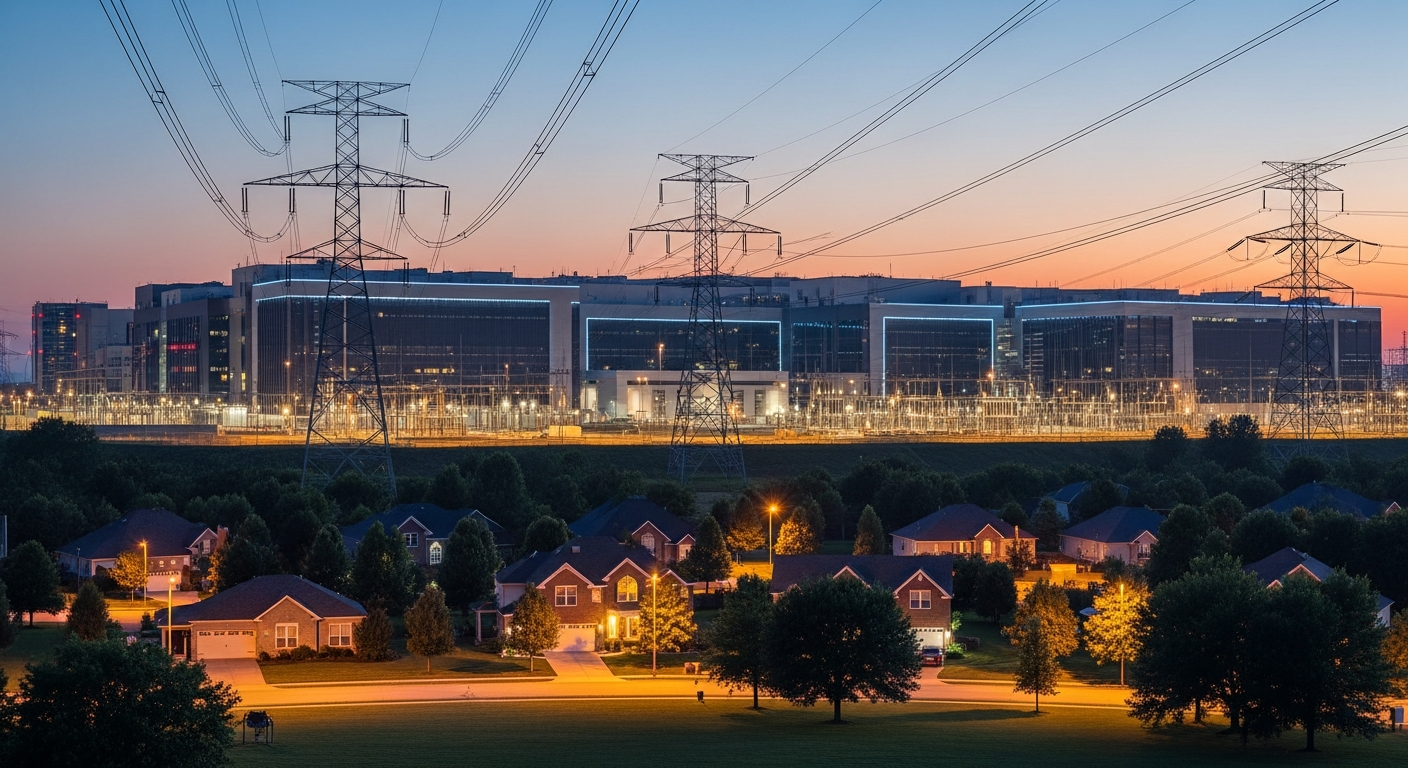
Virginia is making big moves to address the massive energy demands of data centers. A new order requires these facilities to fund their own dedicated electric infrastructure, aiming to protect residents from rising utility costs and grid strain.
