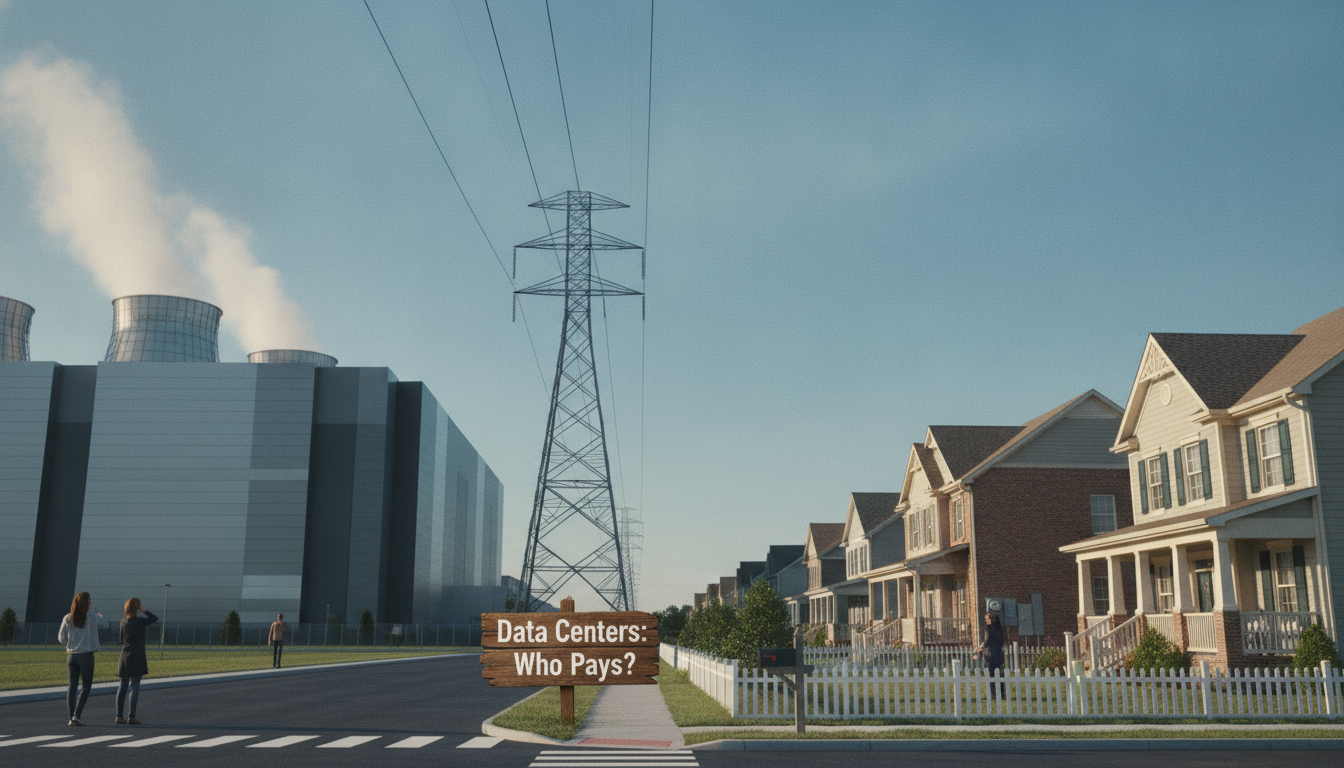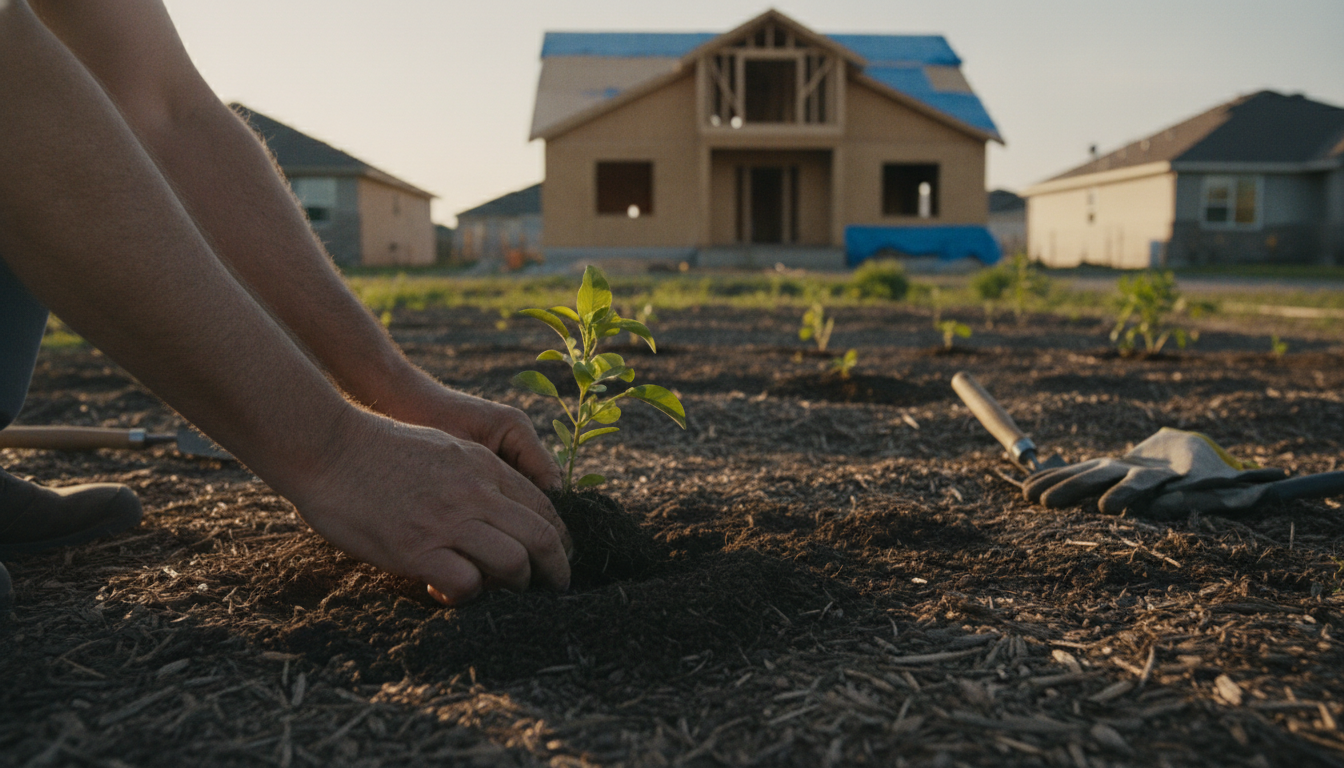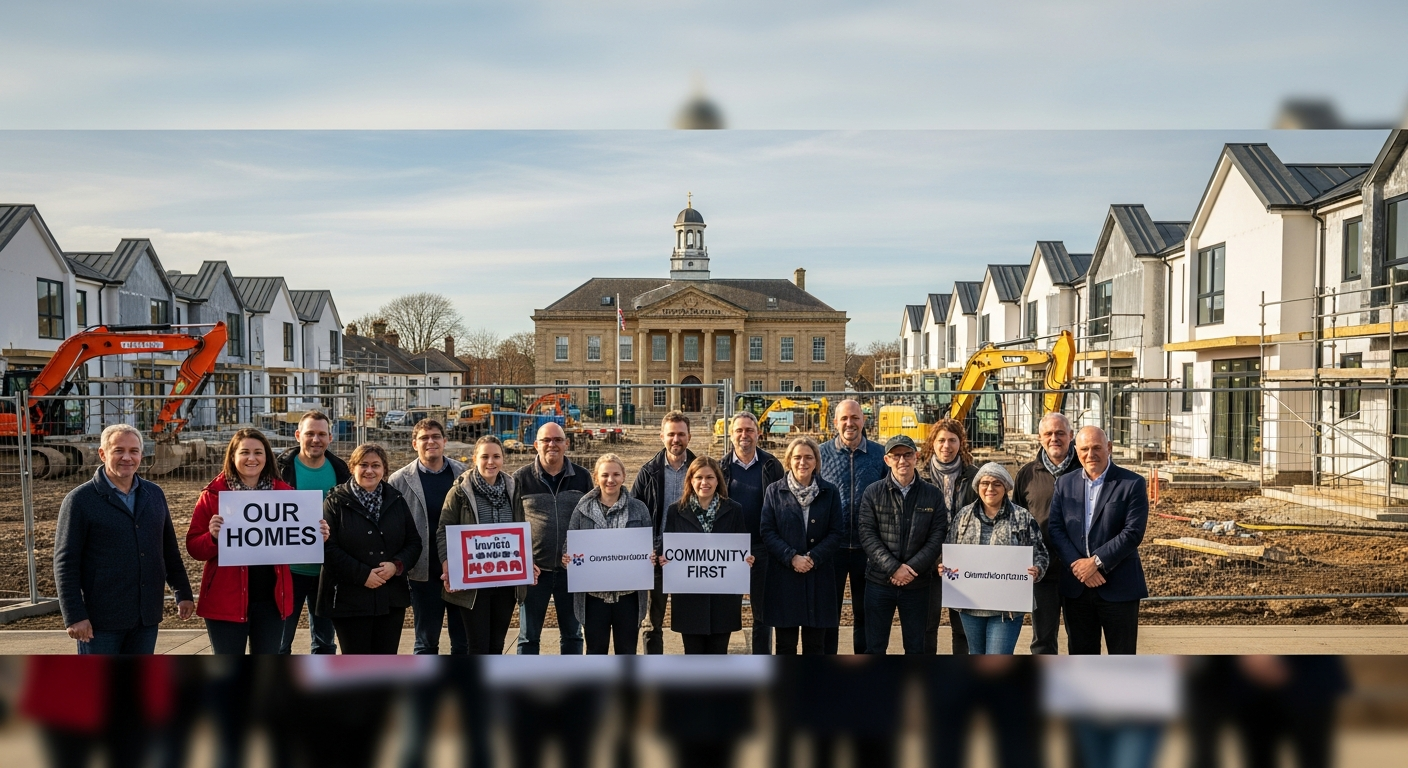
A recent decision by Blacksburg authorities has resulted in the narrow approval of a new housing development, a project that had previously been identified as controversial. This outcome indicates significant public discussion and potential disagreement among community members and decision makers regarding the development's introduction.
The slim margin of approval underscores a divided stance, suggesting that while the project ultimately moved forward, it did so without overwhelming consensus. In such situations, controversies often arise from concerns over increased population density, potential strain on existing infrastructure like roads and schools, environmental impacts or changes to the aesthetic and character of established neighborhoods.
Conversely, proponents typically argue for the necessity of new housing to meet demand, stimulate local economic growth or to provide diverse housing options. The Blacksburg decision reflects the complex challenges local governments frequently encounter when balancing the need for urban or suburban expansion with the desire to preserve community values and address resident concerns.
The narrow approval highlights the delicate negotiation required in modern real estate development processes, where community input and governmental oversight converge to shape the future landscape of a town.
Though I’m not personally in favor of this project, more specifically the size and density for that specific location, as well as the town's “parking space allotment theory”, I recognize the overall need for housing and hope for the best.