The age at which people are buying their first homes is climbing and it's reached a record high. According to a report from the National Association of Realtors, the median age for first time home buyers has hit 40, up from 38 last year. This shift is part of a broader trend where the typical age of repeat buyers has also increased, now sitting at 62. The share of first time buyers in the market has dropped to 21%, marking the lowest since data collection began in 1981. Historically, before the Great Recession, first time buyers made up about 40% of the market.
In the 1980s, first time buyers were typically in their late 20s, but the landscape has changed dramatically. Jessica Lautz, NAR's deputy chief economist, highlights the stark division in today's housing market. On one side, there are buyers with significant equity making all cash offers, while on the other, first time buyers are struggling to find affordable options. This shift has real world consequences, as today's first time buyers are building less housing wealth and may experience fewer moves over their lifetime.
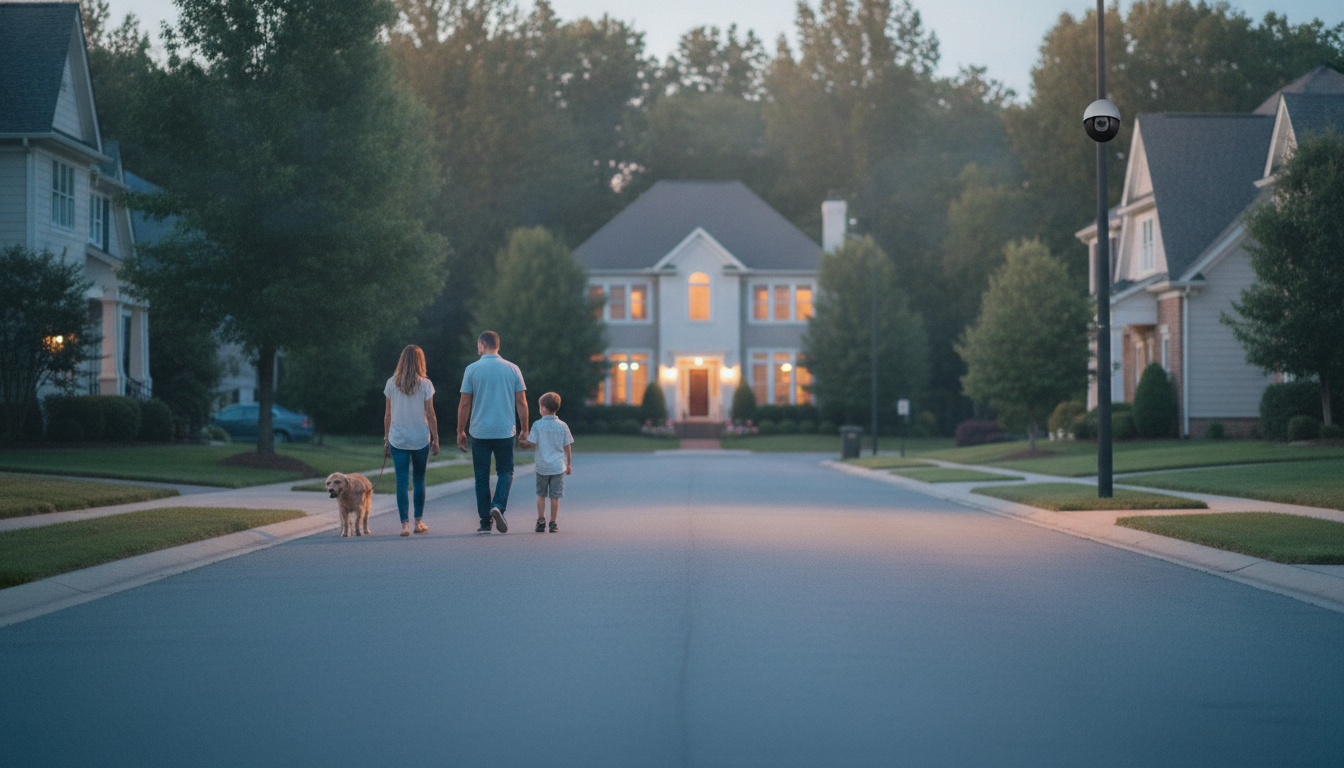
The report also notes a decline in the number of buyers with children under 18 living at home, now at 24%, down from 27% last year and significantly lower than the 58% seen in 1985. This year, 76% of buyers had no children under 18 at home, a slight increase from last year. The demographic makeup of home buyers shows that 84% identified as White or Caucasian, with smaller percentages identifying as Hispanic/Latino, Black/African American, Asian/Pacific Islander or other ethnicities.
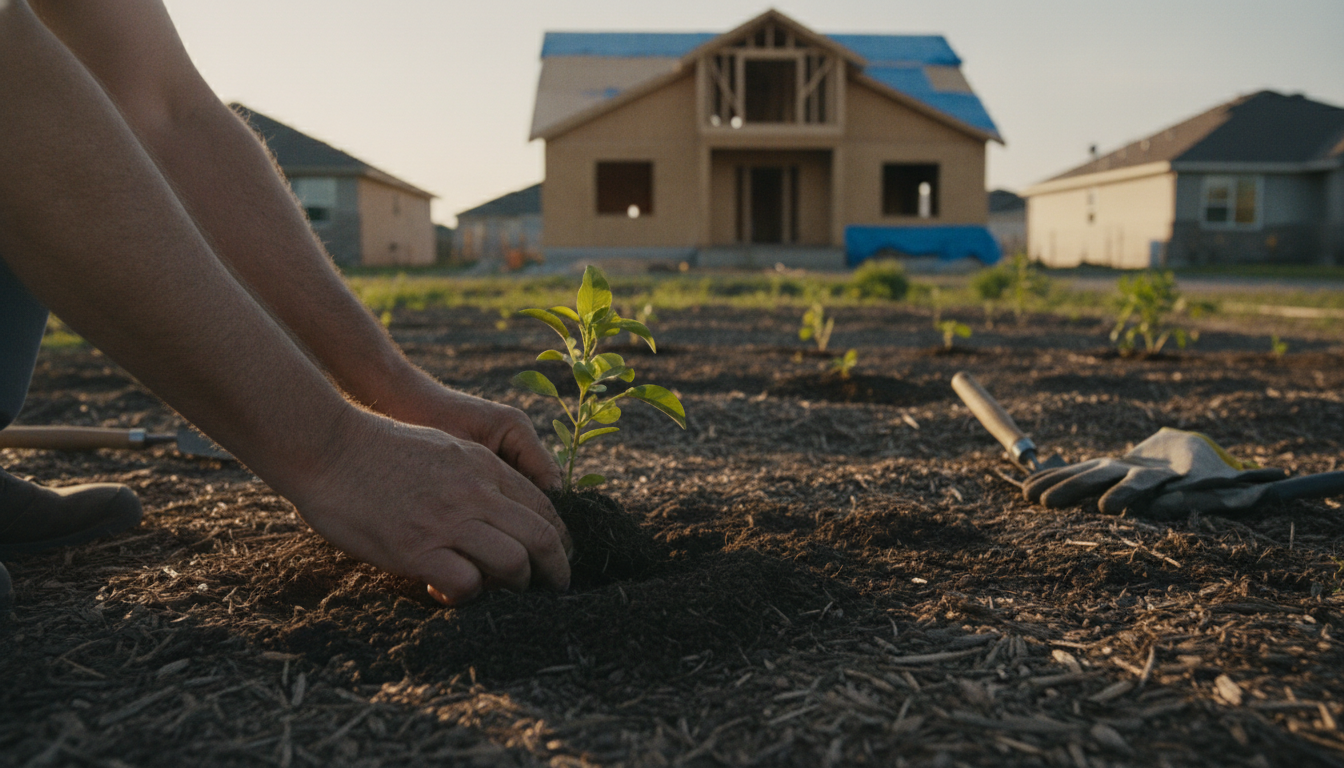
Delaying homeownership can have financial repercussions. Shannon McGahn, NAR's executive vice president, points out that waiting until 40 instead of 30 to buy a home can mean losing around $150,000 in equity on a typical starter home. She emphasizes the need for policies that address the affordability crisis by increasing housing supply. This includes unlocking existing inventory, encouraging new construction and modernizing zoning and permitting processes to make homes more affordable and revive the dream of homeownership.
In summary, I believe the changing dynamics in the housing market reflect broader economic challenges and shifts in lifestyle choices. While some NRV property owners might find themselves navigating these changes, the focus remains on finding solutions to make homeownership accessible for future generations.
Source Inspiration: Zero Hedge